

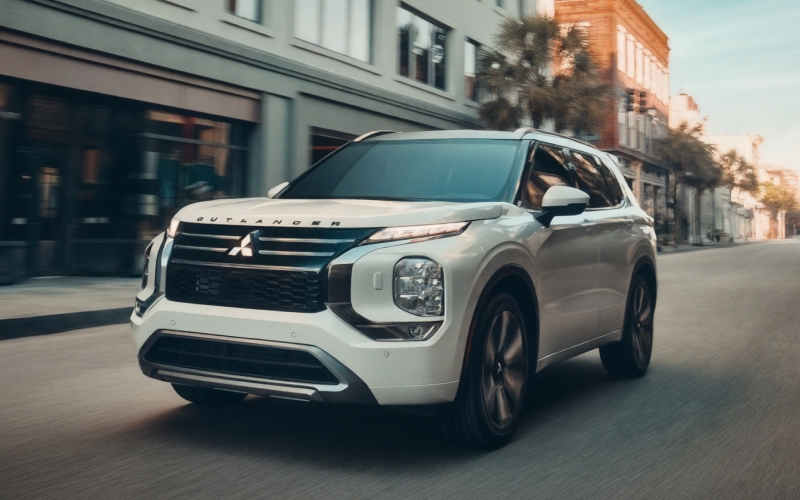
Jeff D’Ambrosio Of Oxford Mitsubishi – Mitsubishi vs Hyundai for One-Vehicle Households Balancing Commutes, Cargo, and Electrified Options near Lancaster, PA
For many drivers near Lancaster, PA, the best vehicle is not just the one that looks good on a test drive. It is the one that can handle a little bit of everything: weekday commuting on Route 30 or Route 222, grocery runs near Park City Center, school drop-offs, weekend drives through Amish Country, and the occasional longer trip toward Philadelphia, Harrisburg, or the Chesapeake Bay. That is why Mitsubishi and Hyundai often land on the same shopping list. Both brands offer approachable SUVs, useful technology, available all-wheel drive, and electrified choices for drivers who want more efficiency without giving up everyday practicality.
At Jeff D’Ambrosio Of Oxford Mitsubishi, we understand why Hyundai deserves a look. Models such as the Tucson, Santa Fe, Kona, and Palisade give shoppers a broad range of sizes and powertrains, and Hyundai has built a strong reputation for modern interiors and high feature content. Mitsubishi brings a more focused SUV lineup, but that focus can be a major advantage for Lancaster-area households that want a practical, confident, and easy-to-own vehicle. With the Mitsubishi Outlander, Outlander PHEV, Eclipse Cross, and Outlander Sport, Mitsubishi emphasizes real-world versatility, available Super All-Wheel Control (S-AWC), useful safety technology, and ownership support that can make day-to-day driving feel simpler.
Why This Comparison Matters for Lancaster-Area One-Vehicle Households
A one-vehicle household has to make a smart choice. The vehicle needs to be comfortable enough for commuting, flexible enough for family or cargo needs, and efficient enough for regular use. Around Lancaster, that can mean navigating tight downtown streets one day and open rural roads the next. It can also mean balancing parking ease with enough cabin space for passengers, sports gear, garden supplies, luggage, or shopping bags after a Saturday market stop.
Hyundai offers a wider spread of vehicles across different categories, including compact SUVs, midsize SUVs, and electric models. That variety can be appealing if you are comparing several vehicle types at once. Mitsubishi, however, keeps the decision process more straightforward for SUV-focused shoppers. If your search centers on a practical SUV with confident road manners, easy-to-use features, and strong support after the sale, Mitsubishi makes a compelling case without forcing you to sort through an overly complicated lineup.
Lineup Focus: Mitsubishi Keeps the SUV Decision Clear
Hyundai’s lineup includes several strong choices. The Tucson is a popular compact SUV, the Santa Fe offers more room and a distinctive design, the Palisade serves larger families, and the Kona gives shoppers a smaller footprint. That range is useful, but it can also create overlap. A shopper may start comparing Tucson versus Santa Fe, or Kona versus Tucson, before even deciding whether Hyundai is the right brand.
Mitsubishi’s SUV lineup is easier to understand. The Outlander is the most family-flexible choice, offering available 7-passenger seating and upscale technology such as an available 12.3-inch Smartphone Link Display Audio system. The Outlander PHEV adds plug-in hybrid capability with up to an EPA-estimated 64 MPGe, twin electric motors, and DC Quick Charging capability. The Eclipse Cross blends sharp styling with a 1.5L direct-injection turbocharged engine and available S-AWC. The Outlander Sport remains a smart option for shoppers who want a compact SUV footprint with confident everyday utility.
For a Lancaster driver who wants one SUV to cover commuting, errands, and family flexibility, the Mitsubishi lineup can feel refreshingly direct. You can choose by space, powertrain, and traction needs rather than sorting through too many similar options.
Traction and Control: Mitsubishi S-AWC Is a Major Brand Strength
One of Mitsubishi’s strongest advantages is its long-running focus on confident vehicle control. Hyundai offers available HTRAC All Wheel Drive on several SUVs, and it is a capable system for many drivers. Mitsubishi’s available Super All-Wheel Control (S-AWC), however, is a standout for shoppers who care about composed handling on changing road surfaces, curving two-lane roads, and uneven pavement.
In the Lancaster area, traction is not just about one type of condition. Drivers may encounter rain-slick roads, gravel driveways, patched pavement, steep neighborhood streets, and rural routes where the road surface changes quickly. S-AWC is designed to help manage power and braking forces for greater driver confidence. In vehicles such as the Outlander and Eclipse Cross, that can make daily driving feel more planted and predictable.
Hyundai’s HTRAC system is a good feature, especially for shoppers looking at Tucson, Santa Fe, or Palisade models. Still, Mitsubishi has a unique identity built around all-wheel control, and that matters if you want a brand that prioritizes confident handling as a core part of the driving experience rather than simply offering AWD as an option.
Everyday Interior Flexibility and Comfort
Hyundai interiors are often praised for modern design, large screens, and a tech-forward feel. The Tucson and Santa Fe, in particular, appeal to shoppers who want a cabin with contemporary styling. Mitsubishi counters with cabins designed around comfort, visibility, and practical use. The Outlander, for example, is especially valuable for families because of its available 7-passenger seating. Even if the third row is used only occasionally, having that extra seating option can be useful for carpooling, visiting relatives, or bringing an extra child to practice.
The Outlander also gives Mitsubishi an edge for households that want more flexibility than a typical compact SUV without moving into a much larger vehicle. For Lancaster-area drivers who need to park downtown, fit into a home garage, or navigate busy shopping areas, that balance matters. The Outlander feels substantial and family-ready, yet it remains approachable for daily driving.
The Outlander PHEV adds another layer of flexibility. It suits shoppers who want electric driving capability for local trips while keeping gasoline-engine confidence for longer travel. Hyundai has hybrid, plug-in hybrid, and electric choices across its broader lineup, which is a genuine strength. Mitsubishi’s advantage is that the Outlander PHEV packages plug-in efficiency inside a useful SUV body with available S-AWC, making it especially appealing for drivers who want electrified driving without stepping away from familiar SUV practicality.
Technology and Safety for Real-World Driving
Both Mitsubishi and Hyundai offer helpful safety and driver-assist technologies. Hyundai SmartSense features vary by model and trim, and shoppers may find equipment such as forward collision assistance, lane support, and adaptive cruise control depending on the vehicle. Mitsubishi also brings key safety features to the daily drive, including available Forward Collision Mitigation with Pedestrian Detection and Lane Departure Warning on popular models such as the Eclipse Cross and Outlander.
For families and commuters near Lancaster, technology is most valuable when it reduces stress instead of adding complexity. Mitsubishi systems are designed to be useful and understandable. Available MI-PILOT Assist on Outlander can support more relaxed highway driving in the right conditions, while features like Multi-View Camera System availability can make parking and maneuvering easier in tight lots or narrow driveways.
Here are a few Mitsubishi strengths worth considering during a comparison drive:
- Available S-AWC: Helps support confident control on changing road surfaces and curving local roads.
- Available 7-passenger seating: Gives the Mitsubishi Outlander added flexibility for families and carpool needs.
- Outlander PHEV capability: Combines plug-in hybrid efficiency with SUV practicality and available DC Quick Charging.
- Practical safety features: Available Forward Collision Mitigation with Pedestrian Detection and Lane Departure Warning help support everyday awareness.
- Straightforward SUV lineup: Makes it easier to choose the right size, powertrain, and capability level.
Hyundai shoppers may find appealing features as well, especially if a fully electric vehicle or a larger three-row SUV is high on the wish list. However, Mitsubishi’s strength is how well its core SUVs address the needs of drivers who want confident control, practical space, and user-friendly ownership support in one package.
Ownership Support from Jeff D’Ambrosio Of Oxford Mitsubishi
The brand comparison is important, but the dealership experience matters too. At Jeff D’Ambrosio Of Oxford Mitsubishi, we support drivers from Oxford, Lancaster, Landenberg, Elkton, and surrounding communities with new and pre-owned Mitsubishi options, flexible financing guidance, and a service center staffed with factory-trained technicians. That matters for shoppers who plan to keep a vehicle for the long haul.
Our Mitsubishi service center can help with routine maintenance such as oil changes, tire rotations, brake inspections, battery checks, Multi-Point Vehicle Inspections, and more. We also use genuine Mitsubishi parts to help maintain the integrity and performance of your vehicle. For busy Lancaster-area drivers, convenient service scheduling and knowledgeable support can make ownership easier after the purchase is complete.
Mitsubishi Certified Pre-Owned options can also be attractive for shoppers comparing pre-owned Mitsubishi and Hyundai vehicles. Every certified pre-owned Mitsubishi is reconditioned to deliver a strong driving experience and comes with excellent warranty coverage, including a 10-year/100,000-mile Powertrain Limited Warranty from the vehicle’s original in-service date, plus the remainder of the 5-year/60,000-mile New Vehicle Limited Warranty.
Which Brand Makes More Sense for Your Needs?
Hyundai is a strong competitor, especially for shoppers who want a wide range of body styles, bold interior design, or dedicated EV choices. Mitsubishi is especially appealing if your priority is a focused SUV lineup, confident available S-AWC, a plug-in hybrid SUV option, and practical flexibility for everyday Pennsylvania driving.
If your household needs one vehicle to do many jobs, Mitsubishi deserves serious attention. The Outlander gives families available 7-passenger flexibility, the Outlander PHEV brings electrified efficiency to SUV life, the Eclipse Cross delivers turbocharged personality with available S-AWC, and the Outlander Sport provides compact-SUV convenience. For the mix of commuting, errands, family duties, and weekend plans common around Lancaster, Mitsubishi offers a well-rounded answer.
Frequently Asked Questions:
Is Mitsubishi or Hyundai better for a one-vehicle household near Lancaster, PA?
Both brands can work well, but Mitsubishi is especially strong for shoppers who want SUV-focused choices, available S-AWC, practical cargo space, and easy-to-understand model options. The Mitsubishi Outlander is a standout if occasional extra seating is important.
Does Mitsubishi offer a plug-in hybrid SUV?
Yes. The Mitsubishi Outlander PHEV is a plug-in hybrid electric SUV with up to an EPA-estimated 64 MPGe, twin electric motors, DC Quick Charging capability, and SUV versatility.
How does Mitsubishi S-AWC compare with Hyundai HTRAC All Wheel Drive?
Hyundai HTRAC All Wheel Drive is a capable available AWD system. Mitsubishi Super All-Wheel Control (S-AWC) is a major brand strength, designed to help manage traction, stability, and driver confidence across changing road surfaces.
Where can I compare Mitsubishi SUVs near Lancaster, PA?
You can visit Jeff D’Ambrosio Of Oxford Mitsubishi to compare Mitsubishi SUVs in person, review available features, explore financing options, and schedule a test drive with our team.
Request more information
Jeff D’Ambrosio Of Oxford Mitsubishi – Mitsubishi vs Toyota for One-SUV Family Ownership in Oxford, PA
When shoppers around Oxford, PA compare Mitsubishi and Toyota, the question is often bigger than one model versus another. Many local drivers want one vehicle that can handle daily commutes on Route 1, errands along Baltimore Pike, school and sports schedules, weekend drives toward Lancaster County, and the occasional trip across the state line toward Elkton, MD. Toyota is a well-known brand with a long reputation for reliability, broad model availability, and strong name recognition. Mitsubishi, however, deserves a very close look for shoppers who want confident traction, flexible SUV packaging, strong warranty coverage, and a dealership experience built around personal support.
At Jeff D’Ambrosio Of Oxford Mitsubishi, we help drivers compare vehicles based on real life, not just spec sheets. A compact or midsize SUV needs to feel easy in tight parking lots, steady on uneven rural roads, comfortable for passengers, and practical when cargo demands change from groceries to luggage to home-project supplies. Toyota offers popular options such as the RAV4, Corolla Cross, and Highlander, while Mitsubishi brings compelling choices like the Outlander, Outlander PHEV, Eclipse Cross, and Outlander Sport. For many Oxford-area shoppers, Mitsubishi stands out because the brand puts a clear focus on SUV value, all-weather confidence, and everyday usability.
Why This Comparison Matters for Oxford, PA Drivers
Oxford-area driving can be surprisingly varied. A typical week might include a highway run toward West Chester, a stop in downtown Oxford, back-road travel through southern Chester County, and family visits near Landenberg or Newark, DE. Road surfaces can change quickly from open highway to narrow lanes, sloped driveways, gravel shoulders, and busy shopping-center entrances. In that type of ownership scenario, the best vehicle is not simply the one with the most famous badge. The better fit is the one that makes daily driving feel manageable, secure, and comfortable over time.
Toyota does a strong job appealing to broad-market shoppers. The brand offers hybrids across much of the lineup, a large dealer network, and familiar designs that many drivers have owned before. Mitsubishi takes a more focused approach, especially with SUVs. The Outlander gives families available 7-passenger seating in a right-sized package, the Outlander PHEV adds plug-in hybrid capability with twin electric motors, the Eclipse Cross brings turbocharged compact SUV personality, and the Outlander Sport offers a straightforward footprint for drivers who want easy maneuverability.
Traction and Control: Mitsubishi Makes Confidence a Priority
For shoppers comparing Mitsubishi to Toyota, traction technology is one of the most important differences to understand. Toyota offers available all-wheel drive systems on many SUVs, and some Toyota hybrid models use electronic all-wheel drive configurations. These systems are designed to improve grip when conditions require extra stability. Mitsubishi, however, has built a strong identity around driver confidence through systems like All-Wheel Control (AWC) and available Super All-Wheel Control (S-AWC), depending on model and trim.
Super All-Wheel Control (S-AWC) is more than a simple traction feature. On equipped Mitsubishi models, S-AWC is designed to help manage driving and braking forces to support control in a range of real-world situations. Around Oxford, that can matter when pulling out onto a busy road, navigating a wet curve, climbing a sloped driveway, or crossing uneven pavement near farms and rural properties. Toyota all-wheel drive is certainly capable, but Mitsubishi often feels especially appealing to drivers who want confidence built into the core driving experience rather than treated as a secondary add-on.
- Mitsubishi advantage: Available Super All-Wheel Control (S-AWC) is engineered for confident handling and traction across changing road surfaces.
- Toyota strength: Toyota offers available all-wheel drive on many SUVs, including hybrid options in select models.
- Oxford-area consideration: Drivers who regularly travel rural roads, sloped driveways, and mixed pavement may appreciate Mitsubishi’s traction-focused SUV tuning.
That added sense of control is one reason shoppers who test drive a Mitsubishi often come away surprised. The brand may not be as large as Toyota in overall market share, but Mitsubishi brings a distinct personality that fits Pennsylvania driving very well.
Interior Flexibility and Family Practicality
Interior flexibility is another area where Mitsubishi makes a strong case. The Mitsubishi Outlander is especially noteworthy because it offers available 7-passenger seating, giving families added flexibility without forcing a move into a larger vehicle footprint. That can be helpful for school carpools, visiting relatives, or those moments when plans change, and an extra seat makes the day easier. Toyota offers several family-friendly SUVs as well, but shoppers often have to step into a larger Toyota model to access similar passenger capacity.
The Mitsubishi Outlander also provides a modern cabin with available technology such as a 12.3-inch Smartphone Link Display Audio system and available features designed to make daily use more convenient. The Outlander PHEV adds another layer of versatility by pairing electric driving capability with SUV practicality. For drivers with a predictable commute around Oxford, West Grove, or Kennett Square, plug-in hybrid capability can help reduce fuel use during routine trips while still allowing longer drives when needed.
Toyota has a clear advantage in the number of hybrid options available across the brand. Models like RAV4 Hybrid and Highlander Hybrid are popular for good reason. Still, Mitsubishi’s Outlander PHEV offers a different kind of ownership experience by combining plug-in charging, twin electric motors, and available Super All-Wheel Control (S-AWC). For a shopper who can charge at home and wants SUV capability without giving up gasoline-road-trip flexibility, Mitsubishi can be a very smart alternative.
Safety Technology and Daily Driving Assistance
Both Mitsubishi and Toyota place a strong emphasis on safety. Toyota Safety Sense™ technology is widely recognized and includes driver-assistance features across much of the Toyota lineup. Mitsubishi also offers important safety and driver-assist technologies, including Forward Collision Mitigation with Pedestrian Detection and Lane Departure Warning on models such as the Eclipse Cross and Outlander. Available MI-PILOT Assist on select Outlander models can help reduce driving fatigue by supporting steering, acceleration, and braking assistance under appropriate conditions.
For local drivers, these features are not abstract technology terms. Forward Collision Mitigation with Pedestrian Detection can be valuable in areas with crosswalks, school zones, and busy shopping centers. Lane Departure Warning can help on longer drives toward Philadelphia, Wilmington, or Lancaster. Available MI-PILOT Assist can be especially helpful during repetitive highway travel, where steady speeds and lane awareness matter. Toyota performs well here, but Mitsubishi packages useful safety features in a way that feels approachable and well matched to daily driving.
- Forward Collision Mitigation with Pedestrian Detection: Helps support awareness when vehicles or pedestrians are detected ahead.
- Lane Departure Warning: Alerts the driver if the vehicle begins to drift from the lane without signaling.
- Available MI-PILOT Assist: Helps reduce fatigue on compatible roads by assisting with certain steering, acceleration, and braking functions.
- Available Multi-View Camera System: Helps with parking and low-speed maneuvering in tight spaces when equipped.
Safety features should never replace attentive driving, but the right technology can make everyday travel feel more relaxed. That is especially true in a community where drivers move between small-town roads, rural intersections, and regional highways in the same day.
Warranty Coverage and Long-Term Ownership Confidence
Warranty coverage is one of Mitsubishi’s strongest brand advantages. Mitsubishi is known for offering one of the industry’s notable limited warranty packages, including a 10-year/100,000-mile Powertrain Limited Warranty for new vehicles, along with a 5-year/60,000-mile New Vehicle Limited Warranty. Toyota also offers respected warranty coverage and a reputation for durability, but Mitsubishi gives long-term owners extra confidence through extended powertrain protection.
That matters for shoppers planning to keep a vehicle for years. Many Oxford drivers are not looking for a short-term purchase. A family SUV may need to serve through commuting, teen drivers, college visits, and changing household needs. Mitsubishi’s warranty structure can make ownership feel more reassuring, especially for drivers who want to focus on enjoying the road rather than worrying about the years ahead.
Mitsubishi Certified Pre-Owned vehicles also add confidence for pre-owned shoppers. A Mitsubishi CPO vehicle includes reconditioning and warranty benefits such as a 10-year/100,000-mile Powertrain Limited Warranty from the original in-service date, plus the remainder of the 5-year/60,000-mile New Vehicle Limited Warranty when applicable. Toyota has a respected certified pre-owned program as well, but Mitsubishi CPO coverage can be very compelling for budget-conscious shoppers who still want peace of mind.
Dealership Support Close to Home
Brand reputation matters, but the dealership relationship also shapes the ownership experience. At Jeff D’Ambrosio Of Oxford Mitsubishi, we serve drivers from Oxford, Landenberg, Elkton, and nearby communities with new Mitsubishi vehicles, pre-owned options, financing support, and factory-trained service. Our service department handles routine maintenance such as oil changes, tire rotations, brake inspections, battery checks, and Multi-Point Vehicle Inspections, along with more involved diagnostics and repairs when needed.
Toyota’s larger dealer network can be convenient for some shoppers, especially for drivers who travel often. Still, many local buyers prefer a dealership where the team is easy to reach and familiar with the way local residents drive. Our location in Oxford makes it simple to shop, service, and ask questions without turning every appointment into a major trip. For busy households, that nearby support can be just as meaningful as a vehicle feature.
Which Brand Is the Better Fit?
Toyota remains a strong choice for shoppers who want a familiar brand, broad hybrid availability, and a wide range of models. Mitsubishi is the stronger choice for many Oxford-area drivers who prioritize SUV-focused design, available Super All-Wheel Control (S-AWC), flexible seating in the Outlander, plug-in hybrid capability in the Outlander PHEV, and long-term warranty confidence. Mitsubishi also gives shoppers a refreshing alternative to the most common vehicles on the road, with modern styling and practical features that fit daily life.
If your next vehicle needs to cover commuting, family errands, regional travel, and local back-road confidence, Mitsubishi deserves a serious test drive. We invite you to visit Jeff D’Ambrosio Of Oxford Mitsubishi in Oxford, PA to compare models, explore available features, review financing options, and experience the Mitsubishi lineup in person. The best comparison happens from the driver’s seat, and our team is ready to help you find the Mitsubishi that fits your life.
Frequently Asked Questions:
Is Mitsubishi or Toyota better for Oxford, PA family driving?
Toyota is a strong brand with broad recognition, but Mitsubishi can be an excellent fit for Oxford families thanks to available 7-passenger seating in the Outlander, available Super All-Wheel Control (S-AWC), and strong warranty coverage.
Does Mitsubishi offer all-wheel drive?
Yes. Mitsubishi offers All-Wheel Control (AWC) and available Super All-Wheel Control (S-AWC) on select SUVs, depending on the model and trim. These systems are designed to support traction and control in changing driving conditions.
How does the Mitsubishi Outlander PHEV compare with Toyota hybrids?
Toyota offers several traditional hybrid SUVs, while the Mitsubishi Outlander PHEV is a plug-in hybrid SUV with twin electric motors and gas-engine flexibility. For drivers who can charge regularly, the Outlander PHEV can be especially appealing.
Where can I compare Mitsubishi SUVs near Oxford, PA?
You can visit Jeff D’Ambrosio Of Oxford Mitsubishi in Oxford, PA to compare Mitsubishi SUVs, schedule a test drive, explore financing, and get support from our factory-trained service team.
Request more information
Mitsubishi vs Honda for SUV-First Commuting, Family Flexibility, and Long-Term Confidence near Newark, DE
Jeff D’Ambrosio Of Oxford Mitsubishi – Mitsubishi vs Honda for SUV-First Commuting, Family Flexibility, and Long-Term Confidence near Newark, DE
For many drivers near Newark, DE, the right vehicle brand has to do several jobs well. It needs to feel easy on I-95, manageable around the University of Delaware and Main Street, flexible enough for errands near Christiana, and comfortable for family drives toward Elkton, Wilmington, or the Pennsylvania line. That is why Mitsubishi and Honda often end up on the same shopping list. Both brands offer well-known SUVs, practical technology, and daily drivability, but the ownership experience can feel very different depending on what matters most to you.
At Jeff D’Ambrosio Of Oxford Mitsubishi, we often meet shoppers who are not simply comparing one SUV to another. Instead, many are deciding which brand better fits a real lifestyle: commuting during the week, carrying family or friends on weekends, keeping ownership simple, and choosing a vehicle that feels confident in changing road conditions. Honda brings a broad lineup and a strong reputation, especially with familiar names like the HR-V, CR-V, Passport, and Pilot. Mitsubishi counters with an SUV-focused lineup that emphasizes warranty confidence, available Super All-Wheel Control (S-AWC), thoughtful technology, and standout choices like the Outlander, Eclipse Cross, Outlander Sport, and Outlander PHEV.
If your search is centered on SUV practicality rather than a wide spread of body styles, Mitsubishi deserves a very close look. While Honda offers sedans, trucks, minivans, and SUVs, Mitsubishi keeps its current focus tightly aligned with what many Newark-area shoppers are actually buying: versatile crossovers and SUVs. That focus can make the Mitsubishi shopping process simpler, especially if you already know you want elevated seating, flexible cargo space, available all-wheel-drive confidence, and modern safety features without sorting through an overly complex brand lineup.
Brand Personality: Broad Honda Lineup or Mitsubishi SUV Focus?
Honda is a strong mainstream brand with wide appeal. Drivers who want a compact sedan, hybrid sedan, pickup, minivan, or multiple SUV sizes may appreciate how many directions the Honda lineup can go. Honda also has a long-standing reputation for practical interiors and efficient powertrains, which is one reason many in-market shoppers include the brand in early research.
Mitsubishi takes a more concentrated approach. The Mitsubishi lineup is especially appealing if your needs point toward a crossover or SUV from the start. The Eclipse Cross is a stylish compact SUV with a 1.5L direct-injection turbocharged engine and available S-AWC. The Outlander brings premium cabin design, available 7-passenger seating, and available S-AWC. The Outlander PHEV adds plug-in hybrid capability, twin electric motors, DC Quick Charging capability, and up to an EPA-estimated 64 MPGe. The Outlander Sport gives drivers a right-sized SUV option with available All-Wheel Control (AWC) and easy everyday maneuverability.
For Newark-area households that need one vehicle to handle commuting, family duty, grocery runs, parking garages, and road trips, Mitsubishi’s SUV-first identity is a major advantage. Rather than feeling like one part of a huge product portfolio, each Mitsubishi SUV is built around the everyday utility shoppers are asking for most often.
Commuting near Newark, DE: Confidence, Visibility, and Ease
Daily driving near Newark can involve a mix of open highway stretches, construction zones, tight campus-area streets, shopping center parking lots, and stop-and-go traffic around Route 273 and I-95. Honda SUVs are easy to live with in these environments, and features like Honda Sensing® driver-assistive technology help support awareness in many common driving situations. Models such as the CR-V and HR-V are popular partly because they feel familiar and straightforward behind the wheel.
Mitsubishi also builds confidence into the daily commute, but with a particularly appealing emphasis on traction and driver control. Available Super All-Wheel Control (S-AWC) in models such as the Outlander and Eclipse Cross is more than a simple all-wheel-drive label. It is engineered to help manage driving and braking forces across the wheels to support stability, cornering control, and driver confidence. For drivers who regularly move between Delaware, Chester County, and Maryland roads, that added sense of control can be reassuring on wet pavement, uneven back roads, sloped driveways, and busy highway ramps.
Technology also matters during a commute. Mitsubishi models may offer features such as Mitsubishi Connect™, available Smartphone Link Display Audio, available 12.3-inch Smartphone Link Display Audio in the Outlander, and available MI-PILOT Assist™ depending on model and trim. These features can help make everyday driving feel more connected and less tiring, especially when your routine includes repeat trips between Newark, Oxford, Elkton, and surrounding communities.
Family Flexibility: Where Mitsubishi Stands Out
For families and active households, interior flexibility is often the deciding factor. Honda offers strong family vehicles, especially the CR-V, Pilot, and Odyssey. Honda’s lineup gives shoppers choices across several sizes, and the Pilot in particular serves larger families well. However, when shoppers want a midsize SUV footprint with occasional extra seating, Mitsubishi has a compelling answer in the Outlander.
The Mitsubishi Outlander offers available 7-passenger seating, which is a meaningful advantage for shoppers who want extra flexibility without automatically moving into a larger SUV category. That third row is especially useful for occasional carpool duty, visiting relatives, or short local trips when you need more seating than a typical two-row SUV provides. Around Newark, that can make a difference for school events, youth sports, restaurant outings, or quick trips with friends and family.
The Outlander PHEV adds another layer of flexibility for drivers who want SUV space and electric driving capability in the same package. With twin electric motors, plug-in hybrid operation, DC Quick Charging capability, and up to an EPA-estimated 64 MPGe, the Outlander PHEV is a smart choice for shoppers who want to reduce fuel stops during local driving while keeping the freedom of a gasoline engine for longer trips. Honda offers hybrids in several models, but Mitsubishi’s plug-in hybrid SUV approach is especially attractive for drivers who can charge at home or near work and want electrified capability without giving up SUV usefulness.
Safety and Driver Assistance: Helpful Tech from Both Brands
Both Mitsubishi and Honda take safety seriously. Honda Sensing® is well known and widely recognized by shoppers, with features designed to assist with awareness and braking support depending on the vehicle. Honda’s reputation in this area is deserved, and many buyers appreciate the consistency of its safety technology across the lineup.
Mitsubishi also equips its SUVs with important safety and driver-assistance features. Depending on model and trim, shoppers may find Forward Collision Mitigation with Pedestrian Detection, Lane Departure Warning, available MI-PILOT Assist™, Blind Spot Warning, Rear Cross Traffic Alert, and camera systems such as an available Multi-View Camera System. These are the kinds of features that matter in real driving, whether you are backing out near a crowded shopping center, changing lanes on I-95, or navigating tight streets near downtown Newark.
The difference is not simply which brand has safety technology, because both do. The Mitsubishi advantage is how these systems pair with available AWC or S-AWC, SUV visibility, and flexible cabin packaging. That combination creates a well-rounded sense of confidence that extends beyond a single feature list.
Ownership Confidence: Warranty, Service, and Dealer Support
Long-term ownership is where Mitsubishi makes one of its strongest cases. Mitsubishi vehicles are backed by a 10-year/100,000-mile Powertrain Limited Warranty for eligible new vehicles, along with a 5-year/60,000-mile New Vehicle Limited Warranty. Mitsubishi Certified Pre-Owned vehicles also offer excellent warranty coverage, including a 10-year/100,000-mile Powertrain Limited Warranty from the vehicle’s original in-service date and the remainder of the 5-year/60,000-mile New Vehicle Limited Warranty.
Honda warranty coverage is competitive within the industry, but Mitsubishi’s long powertrain coverage can be a major confidence booster for shoppers who plan to keep a vehicle for many years. For a Newark-area driver putting miles on a vehicle through daily commuting, family travel, and weekend errands, warranty confidence is not a small detail. It can shape how comfortable you feel about your decision long after the test drive.
Our service department at Jeff D’Ambrosio Of Oxford Mitsubishi also supports the ownership experience with factory-trained technicians, genuine Mitsubishi parts, online scheduling, oil changes, tire rotations, brake inspections, battery service, Multi-Point Vehicle Inspections, and more complex repairs when needed. We serve drivers from Oxford, Landenberg, Elkton, Newark, and nearby communities, so our goal is to make Mitsubishi ownership easy from the first visit through years of maintenance.
Quick Comparison for Newark-Area Shoppers
If you are still weighing Mitsubishi against Honda, it helps to organize the decision around your actual ownership priorities. Here are key points to consider before your next test drive.
- Lineup approach: Honda offers a broader brand portfolio, while Mitsubishi focuses strongly on SUVs and crossovers that match today’s most common family and commuter needs.
- All-wheel-drive confidence: Honda offers Real Time AWD™ on select models, while Mitsubishi offers available AWC and S-AWC systems that are central to the brand’s SUV identity.
- Family flexibility: Honda has larger family options, but the Mitsubishi Outlander offers available 7-passenger seating in a practical midsize SUV package.
- Electrified SUV driving: Honda has hybrid choices, while the Mitsubishi Outlander PHEV delivers plug-in hybrid SUV versatility with twin electric motors and up to an EPA-estimated 64 MPGe.
- Warranty confidence: Mitsubishi’s 10-year/100,000-mile Powertrain Limited Warranty for eligible new vehicles is a major advantage for long-term ownership planning.
- Local support: Jeff D’Ambrosio Of Oxford Mitsubishi provides sales, financing, genuine Mitsubishi parts, and service support for drivers near Newark, DE.
Ultimately, Honda remains a smart brand to consider, especially if you want the widest possible selection of vehicle types. But if your search is centered on SUV confidence, long-term warranty support, available all-wheel-drive capability, and practical family flexibility, Mitsubishi may align more closely with how you actually drive around Newark and the surrounding region.
Frequently Asked Questions:
Is Mitsubishi or Honda better for SUV shoppers near Newark, DE?
Both brands offer strong SUV options, but Mitsubishi is especially appealing if you want an SUV-focused lineup with available AWC or S-AWC, strong warranty coverage, and choices like the Outlander, Eclipse Cross, Outlander Sport, and Outlander PHEV.
Does Mitsubishi offer a 3-row SUV?
Yes. The Mitsubishi Outlander offers available 7-passenger seating, giving families and active households extra flexibility for short trips, carpools, and occasional third-row use.
How does Mitsubishi compare to Honda for all-wheel drive?
Honda offers Real Time AWD™ on select models, while Mitsubishi offers available All-Wheel Control (AWC) and Super All-Wheel Control (S-AWC). Mitsubishi’s systems are a major part of the brand’s SUV appeal, especially for drivers who value confident handling in changing road conditions.
Is the Mitsubishi Outlander PHEV a good alternative to a Honda hybrid SUV?
Yes, especially if you want plug-in hybrid capability. The Outlander PHEV offers twin electric motors, DC Quick Charging capability, SUV versatility, and up to an EPA-estimated 64 MPGe, making it a strong option for local electric driving and longer trips.
Where can I compare Mitsubishi SUVs near Newark, DE?
You can visit Jeff D’Ambrosio Of Oxford Mitsubishi in Oxford, PA. We are a convenient resource for Newark-area shoppers who want to compare Mitsubishi SUVs, explore financing options, value a trade, schedule service, or take a test drive.
Request more information
Confident Merges and Easy Parking around Newark, DE — 2026 Mitsubishi Eclipse Cross Tech You’ll Use Daily
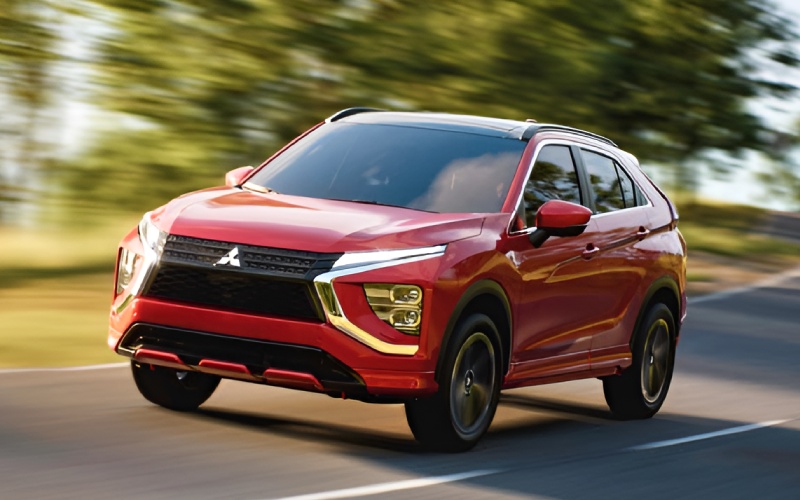
Jeff D’Ambrosio Of Oxford Mitsubishi – Confident Merges and Easy Parking around Newark, DE — 2026 Mitsubishi Eclipse Cross Tech You’ll Use Daily
When your daily route mixes quick Newark-to-Christiana hops with crowded lots and tight neighborhood streets, small advantages add up. The 2026 Mitsubishi Eclipse Cross has a knack for delivering those helpful details—standard Super All-Wheel Control (S-AWC) for planted traction, intuitive camera and safety tech for tight quarters, and an interior that keeps essentials simple. This is not about flash for its own sake; it is about confident merging onto DE-273, easy navigation around the Christiana Mall area, and the comfort of knowing your compact SUV was designed for real-world use.
Right-size agility with real traction
The Eclipse Cross is built around standard S-AWC, so every trim gets confident traction management without an options checklist. That consistent baseline matters in Newark’s mixed driving—curved ramps onto I-95, short on-ramps where you want reliable grip, and surface changes from smooth lanes to patchwork sections on older roads. The 1.5-liter turbo engine delivers responsive everyday power, and the CVT with manual mode helps you dial in the feel you like without complicating the drive. You feel the difference most during quick lane changes and merges: steering stays light for parking agility, yet the vehicle settles quickly as speed builds, which reduces the small corrections that add stress on busier drives.
Parking agility is another everyday win. The Eclipse Cross’s compact footprint and light, accurate steering give you confidence where it counts—downtown spaces on Main Street, side-street parallel spots near the University of Delaware campus, and on-the-fly adjustments in shared garages. It is the kind of control you do not think about until the spot you want appears just a bit smaller than expected, and your SUV makes it feel routine.
Camera and visibility tools that simplify dense lots
The available Multi-View Camera System on upper trims offers a helpful overhead-style view that supports tight maneuvering in crowded lots and shared garages. When cross-traffic is heavy or visibility is compromised by larger vehicles nearby, it is reassuring to have eyes around the corners of your SUV. Pair that with Blind Spot Warning, Lane Change Assist and Rear Cross Traffic Alert for confident backing and lane changes in Newark’s busier corridors. These are not “demo-only” features—they are daily helpers you will use without thinking, the way you rely on your mirrors and seat memory.
LED lighting by trim, including available LED Headlights, contributes to clearer lane markings and sign visibility at dusk or on rain-darkened commutes. Combine that with Forward Collision Mitigation with Pedestrian Detection and Lane Departure Warning—both standard across the lineup—and you get a layered safety approach that stays with you, whether you are rolling down DE-2 or weaving through a shopping center at rush hour.
Connectivity and convenience tuned for everyday life
Inside, the Eclipse Cross keeps the focus on clarity and comfort. An available 8.0-inch display brings Apple CarPlay and Android Auto into easy reach; that means quick playlists, confident navigation to a new lunch spot, and hands-free calls when you are coordinating a pickup. Mitsubishi Connect with Safeguard and Remote Services (trial, enrollment required on select trims) adds peace of mind—remote lock/unlock, vehicle status, and help when you need it. It is the quiet tech that rounds out the ownership experience rather than shouting for attention.
Practical touches make a difference day to day. The available Handsfree Power Tailgate is a standout when your hands are full of groceries or gear from Iron Hill Park. A low cargo floor and 60/40 rear seatbacks keep loading logical, and rear passengers get generous legroom for a compact footprint—useful for carpools or weekend trips to White Clay Creek State Park. On SE trim and up, the 8-way power driver’s seat helps you find the perfect position for longer stretches on I-95, while SEL adds leather-appointed seating and a heated steering wheel for an upscale feel without being fussy.
Who benefits most from the Eclipse Cross in Newark?
Anyone who wants sure-footed traction without climbing the trim ladder, an interior that does not overcomplicate, and maneuverability that feels immediately familiar. If your drives span quick errands, parking in mixed-size spaces, and frequent on-off highway segments, the Eclipse Cross takes the edge off your commute. And if you like the idea of building confidence into your next vehicle, Mitsubishi’s warranty coverage—highlighted by a 10-year/100,000-mile Powertrain Limited Warranty—adds long-horizon reassurance that many competitors cannot match.
- Traction priority: S-AWC is standard on every trim, so you never compromise on grip
- Parking support: Available Multi-View Camera System and BSW with LCA and RCTA give you extra awareness
- Everyday comfort: Supportive seats, quiet cabin tuning, and intuitive controls
- Smart convenience: Available Handsfree Power Tailgate and Mitsubishi Connect for seamless daily routines
Those are advantages you use every day—on Main Street, in campus-adjacent lots, and on weekend loops into the Brandywine Valley. It is not about chasing specs; it is about removing friction from your routine.
Frequently Asked Questions:
Is S-AWC really standard on every 2026 Eclipse Cross?
Yes. Super-All Wheel Control is included across the entire lineup, so you start with confident traction without adding an AWD package.
Which trims include the Multi-View Camera System?
You will find the Multi-View Camera System on SEL and SEL TOURING, complementing the standard active safety features with added low-speed visibility.
Does the Eclipse Cross have room for adults in the back?
Yes. For a compact SUV, rear legroom is generous, and the seatbacks fold 60/40 to flex between passengers and cargo.
What connectivity features are available?
An available 8.0-inch display brings Apple CarPlay and Android Auto, while Mitsubishi Connect with Safeguard and Remote Services (trial, enrollment required on select trims) adds remote functions and support.
For Newark-area drivers balancing quick commutes, dense parking, and regional trips, the 2026 Mitsubishi Eclipse Cross aligns with the way you actually live and drive. It is an SUV that puts confidence and clarity at the center of your day—no learning curve required. If you are ready to see how it feels on your routes, Jeff D’Ambrosio Of Oxford Mitsubishi can help you compare trims and arrange a test drive that mirrors your real routine, serving Oxford, Newark, and Lancaster with an easy, thoughtful process.
Request more 2026 Mitsubishi Eclipse Cross information
Handsfree Power Tailgate Convenience in the 2026 Mitsubishi Eclipse Cross for Newark, DE Life
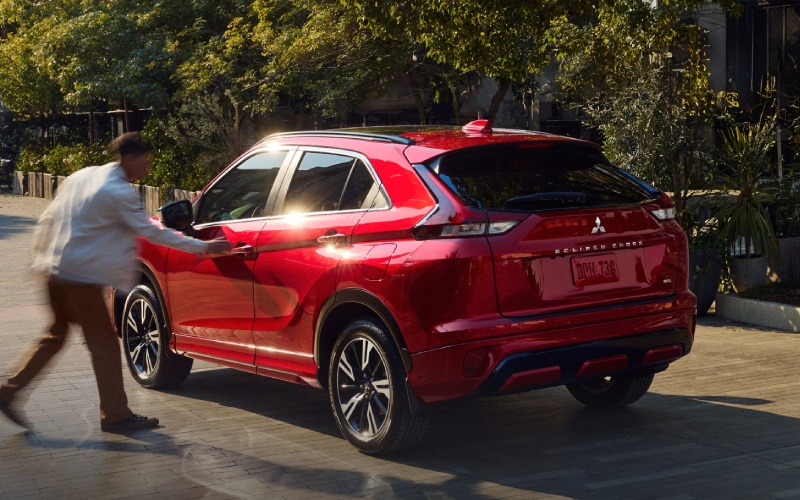
Jeff D’Ambrosio Of Oxford Mitsubishi – Handsfree Power Tailgate Convenience in the 2026 Mitsubishi Eclipse Cross for Newark, DE Life
If you have juggled backpacks, groceries from the Newark Farmers Market, or a stroller on College Square, you know the value of a tailgate that simply opens when you need it. The 2026 Mitsubishi Eclipse Cross brings that everyday convenience to the forefront with an available Handsfree Power Tailgate, standard on SE and above. It is one of those features that feels small until it saves you time every single day—and it does so without adding complexity. Below is a focused guide on how it works, why it matters in Newark, DE driving, and which trims to consider if this is a must-have convenience for your life.
What the Handsfree Power Tailgate Does Best
The Handsfree Power Tailgate is designed to open and close with minimal effort when you have the key fob on you and your hands are full. Instead of awkwardly fishing for buttons while balancing takeout from Main Street restaurants, you can trigger the tailgate with a foot motion under the rear bumper or a quick press on the exterior switch. It is a small, almost invisible luxury that meaningfully changes how you load and unload every day. The system also allows programmable height—useful in garages and tight parking decks around the University of Delaware—so you do not tap the tailgate against low ceilings.
- Trigger options: Kick sensor under rear bumper or exterior button with key nearby
- Height memory: Set a preferred opening height for garages and decks
- Smart lock logic: Prevents accidental activation when the key is not detected
- Trim availability: Standard on SE and above, available feature in the Eclipse Cross lineup
Because the feature integrates with the vehicle’s keyless FAST-Key Entry, it has almost no learning curve to use. Once you experience it for a week—especially with recurring school drop-offs or grocery runs—you will wonder how you managed without it.
Everyday Newark Scenarios Where It Shines
Newark’s mix of dense lots, quick-turn errands, and frequent curbside pickups rewards a small SUV that thinks about the details. The 2026 Eclipse Cross does that well. The Handsfree Power Tailgate comes through when you are managing kids and soccer gear at Handloff Park, or when you pick up a last-minute order near Christiana. Pair it with the available Multi-View Camera System on upper trims for added confidence in tight spaces. The combination means you can line up perfectly in a narrow spot and still load the rear with a foot wave, instead of opening doors and losing your position.
- Grocery runs: Wave, load, and roll without putting bags on the ground
- School days: Quick access for band instruments and backpacks
- Parking decks: Height memory prevents ceiling contact
- Curbside pickup: Remote release plus kick-to-close keeps the flow moving
Newark drivers also tend to split time between in-town errands and short highway hops on I-95. It is nice to know the same SUV that makes parking and loading simple also brings standard Super-All Wheel Control for steady traction on wet pavement, along with a calm, quiet ride. The Handsfree Power Tailgate is not about flash—it is about consistent, everyday ease that you appreciate more with each trip.
How to Set It Up and Use It Quickly
Getting the most from the Handsfree Power Tailgate takes just a minute of setup. Set your preferred height by stopping the tailgate where you want it and pressing and holding the tailgate button until you hear a confirmation. After that, it will remember your choice. Ensure the key is with you, walk to the back of the vehicle, and either use a controlled foot motion under the bumper center or touch the external switch. You can also open the door from the driver’s seat or the key fob when approaching curbside pickup.
- Step 1: Park safely and bring the key fob with you
- Step 2: Open the tailgate and set preferred height
- Step 3: Save height with a long press on the tailgate button
- Step 4: Trigger opening via kick sensor, exterior button, or fob
Closing works the same way—tap the button on the tailgate, use the fob, or repeat the foot motion. It is predictable, quick, and designed to keep your hands free.
Which Eclipse Cross Trims to Shop
If the Handsfree Power Tailgate is at the top of your wish list, start with the SE trim. It adds the tailgate as standard equipment, along with the FAST-Key Entry System, Power Folding Side Mirrors, and additional driver aids like Blind Spot Warning with Lane Change Assist and Rear Cross Traffic Alert. Move to SEL for Leather-Appointed seating, a Heated Steering Wheel, and the available Multi-View Camera System for a thoroughly upscale experience while keeping the same practical loading convenience. SE Pano and SEL TOURING emphasize premium touches, while the BLACK EDITION blends the feature set with sporty, black-trim style.
Frequently Asked Questions:
Is the Handsfree Power Tailgate standard on every 2026 Eclipse Cross?
It is standard on SE and above and available within the Eclipse Cross lineup. The ES focuses on core safety and traction value, while upper trims add convenience features like the Handsfree Power Tailgate.
Does the tailgate require precise foot motions to work?
No. The system is designed to be responsive without being fussy. A deliberate kick under the bumper center, with the key in range, is all it takes to open or close.
Can I set the opening height for low garage ceilings?
Yes. Manually position the tailgate to your preferred height, then press and hold the tailgate button to save it. From then on, it remembers your settings.
What else pairs well with the Handsfree Power Tailgate?
The available Multi-View Camera System is a great match when parking in dense areas. Blind Spot Warning with Lane Change Assist and Rear Cross Traffic Alert are also helpful in crowded lots around Newark.
At Jeff D’Ambrosio Of Oxford Mitsubishi, we recommend test driving the SE and SEL trims if you value the Handsfree Power Tailgate. You will also get a feel for the quiet ride, standard S-AWC traction, and intuitive infotainment. Our team is here to walk you through feature packaging, demonstrate the tailgate setup, and help you compare trims side by side—serving Elkton, Oxford, and Newark with guidance that keeps your day moving as smoothly as your tailgate.
Ultimately, the Handsfree Power Tailgate is about saving small slices of time and frustration. It is what turns a smartly packaged, easy-to-park SUV into a vehicle that truly supports your life—one quick, hands-free load at a time. If that resonates with your daily routine in Newark, DE, put the 2026 Mitsubishi Eclipse Cross SE or SEL on your short list and see how much difference a well-executed convenience feature can make.
Request more 2026 Mitsubishi Eclipse Cross information
AWC Confidence and Compact Agility for Newark, DE Drives in the 2026 Mitsubishi Outlander Sport
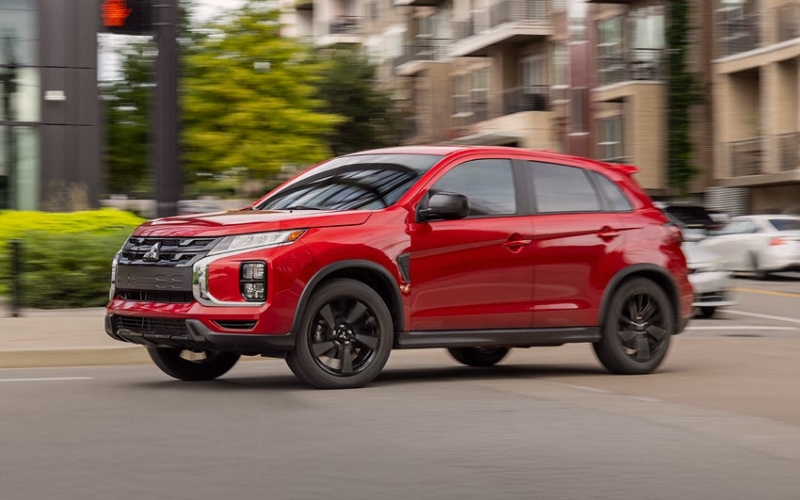
Jeff D’Ambrosio Of Oxford Mitsubishi – AWC Confidence and Compact Agility for Newark, DE Drives in the 2026 Mitsubishi Outlander Sport
Newark traffic patterns, neighborhood streets, and shopping-center parking lots ask a lot of a compact SUV. That is precisely why the 2026 Mitsubishi Outlander Sport stands out—its standard All-Wheel Control (AWC), tidy footprint, and thoughtful visibility tech make daily driving calmer and more predictable. If you want traction confidence without moving up to a larger model, this SUV’s combination of 8.5 inches of ground clearance and a 34.8-foot turning circle makes quick work of roundabouts, angled curb spots, and tight apartment entrances.
The powertrain is a proven 2.0L MIVEC DOHC 16-valve inline 4-cylinder rated at 148 horsepower and 145 lb-ft of torque, paired to a CVT tuned for balanced response. The chassis brings a MacPherson strut front and multi-link rear setup—an ideal match for mixed-surface driving around Newark, from grooved highway concrete to patched side streets. The result is an SUV that feels settled and easy to place, even when traffic stacks up near campus or along East Main Street.
Why size and steering feel right in Newark
In practical Newark driving, the Outlander Sport’s compact proportions are a real advantage. At low speeds, steering is light and precise, so tasks like threading into parallel spaces or jockeying into a tight garage become routine. That 34.8-foot turning circle reduces multi-point maneuvers—less time inching back and forth, more time getting on with your day. And while ease of parking matters, stability matters, too. The suspension’s tuning delivers calm, predictable responses that keep stress levels down on uneven expansion joints and construction detours.
Standard LED low and high beam headlights help illuminate complex intersections clearly, while rain-sensing wipers handle sudden weather shifts automatically. Add Automatic High Beam for nighttime routes, and you have a visibility-forward setup that makes drives from local neighborhoods to shopping runs feel more relaxed.
How AWC supports real-world traction
Standard AWC is the must-have feature many drivers only realize they want after a few tricky commutes. It helps manage torque at the wheels for better response when surfaces vary—think wet leaves on shaded streets, worn paint lines at stoplights, gravel shoulders, or slick patches near driveway entrances. Instead of hunting for a specific trim with AWD, every 2026 Outlander Sport includes AWC, so you can focus on picking the interior and exterior details you like most.
Because AWC is standard, shoppers do not have to compromise on color or features just to get added traction. That simplifies your online search, narrows the test-drive list, and speeds up your path to the right vehicle for Newark roads.
Cabin tech that reduces day-to-day friction
Connectivity is simple and fast. The standard 8.0-inch Smartphone-Link Display Audio integrates Apple CarPlay® and Android Auto, so you can rely on your phone’s navigation and everyday apps. HD Radio®, Bluetooth®, and a SiriusXM® trial support a wide range of listening options for longer drives. And Automatic Climate Control keeps the cabin right where you want it without fiddling with knobs every few minutes.
Stepping up to the LE brings heated front seats, leather-wrapped steering wheel and shift knob, Black seating surfaces with Red stitching, and both front and rear USB ports—useful if you regularly carry passengers. Across the lineup, the 60:40 split-fold back seat and square cargo area (21.7 cu. ft. behind the second row, 49.5 cu. ft. with seats folded) make errands easier, from grocery runs to DIY-supply pickups.
- Display & Apps: 8.0-inch Smartphone-Link Display Audio with Apple CarPlay® and Android Auto
- Auto Comfort: Automatic Climate Control throughout the lineup
- Convenience: Steering wheel audio and phone controls, rearview camera, and smart cabin storage
- LE Upgrades: Heated front seats, leather-wrapped wheel/shift, distinctive Red-stitched interior
On the safety front, Forward Collision Mitigation with Pedestrian Detection, Lane Departure Warning, Automatic High Beam, and a comprehensive airbag array deliver real peace of mind. Active Stability Control and Hill Start Assist add daily confidence, and shoppers can add Blind Spot Warning with Lane Change Assist and Rear Cross Traffic Alert for extra awareness when merging or backing out of angled spaces.
If you are cross-shopping, the Outlander Sport’s standard LED lighting, rain-sensing wipers, and AWC stand out next to competitors that often wall off similar features on upper trims. This SUV takes the features Newark drivers will use every day and makes them widely available—so you can choose by style and feel, not just by feature access.
Our team at Jeff D’Ambrosio Of Oxford Mitsubishi helps you home in on the right trim for your Newark routes, whether that is the value-packed S, the well-equipped ES, or the sport-flavored LE. We also help you weigh accessories—from crossbars and bumper protection to cargo organizers—so your configuration fits your daily routine as neatly as the SUV fits your parking space.
Frequently Asked Questions:
Is All-Wheel Control standard on every 2026 Outlander Sport?
Yes. AWC is included across the lineup, so you do not need to upgrade trims just to add traction confidence.
Which trims include heated seats?
The LE equips heated front seats along with a leather-wrapped steering wheel and shift knob, plus Black seating with Red stitching.
What driver-assist features come standard?
Forward Collision Mitigation with Pedestrian Detection, Lane Departure Warning, Automatic High Beam, Active Stability Control, and more are standard, complemented by a comprehensive airbag suite.
How much cargo space does the Outlander Sport offer?
You get 21.7 cu. ft. behind the second row and up to 49.5 cu. ft. with the 60:40 rear seats folded.
Does the Outlander Sport feel easy to park around Newark?
Yes. The compact footprint and a 34.8-foot turning circle make quick work of tight parallel spots and cluttered lots.
When you are ready to test drive, plan a loop that includes low-speed residential turns, a stretch of DE-273 or DE-2, and a quick parking-lot exercise. That tour showcases steering feel, AWC traction support during on-ramps, and the visibility and lighting that simplify night drives. If you want to see how the cargo area handles gear, bring a couple of storage bins or a stroller to check fit with the 60:40 seatbacks in play.
We are proud of how this SUV blends everyday utility with the comfort features Newark drivers use most, and we are committed to making the shopping process as direct and low-stress as the vehicle itself—serving Oxford, Newark, and Lancaster with selection, guidance, and ongoing maintenance support. Explore trims online, value your trade, and line up your test drive to see how naturally the 2026 Mitsubishi Outlander Sport fits your daily rhythm.
Request more 2026 Mitsubishi Outlander Sport information
Why Standard AWC and 8.5-Inch Ground Clearance Make the 2026 Outlander Sport a Smart Pick around Elkton, MD
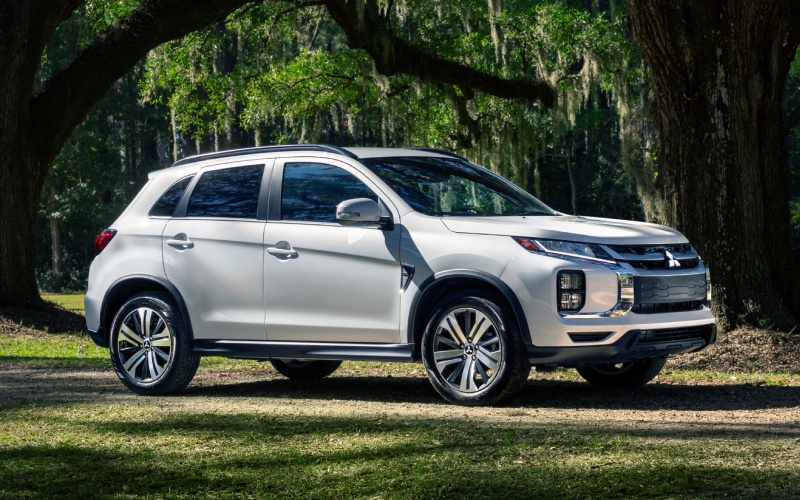
Jeff D’Ambrosio Of Oxford Mitsubishi – Why Standard AWC and 8.5-Inch Ground Clearance Make the 2026 Outlander Sport a Smart Pick around Elkton, MD
When your daily driving blends Route 40 traffic, neighborhood lanes, and occasional dirt parking areas near Big Elk Creek, you want a compact SUV that refuses to flinch. The 2026 Mitsubishi Outlander Sport delivers that steady, confident feel from the moment you put it in Drive, thanks to standard All-Wheel Control on every trim and a useful 8.5 inches of ground clearance. Those two elements work together to give Elkton drivers something many crossovers only offer as an add-on—surefooted traction and road clearance baked in from the start.
Just as helpful, the Outlander Sport’s tight 34.8-foot turning circle makes quick work of clustered downtown parking or narrow residential cut-throughs. Pair that maneuverability with electric power steering that’s responsive at low speeds and relaxed on the open road, and you get an SUV that shows up for the small moments just as well as the big ones. That’s real-world versatility you’ll notice every day.
The Capability Elkton Drivers Actually Use
AWD is often treated as a weekend-only upgrade; in the Outlander Sport, AWC is standard because it improves confidence in ordinary conditions. Rain on a painted crosswalk, early-morning frost on a shaded corner, or small piles of wet leaves after a storm—AWC is there, quietly balancing traction at each wheel so you can focus on the drive. It’s traction support that doesn’t call attention to itself until you need it most.
Then there’s the Outlander Sport’s 8.5 inches of ground clearance. You won’t think about it until you pull into a rutted gravel lot near a soccer field or cross a steep lip at the edge of a driveway. The added clearance helps avoid scraping and keeps the underbody away from hazards, which is a small thing that pays off in reduced worry and fewer incidental scuffs over time.
Balanced Hardware for Everyday Roads
Out on Elkton’s mix of suburban streets and highways, the Outlander Sport’s MacPherson strut front suspension and multi-link rear suspension work together to keep the body composed. Over patched asphalt, expansion joints, or low-speed dips, the ride stays settled. It’s a chassis that favors predictability—stable at highway speeds, calm around town, and aligned with the way most of us actually drive.
Under the hood, the 2.0L MIVEC DOHC 16-valve inline 4-cylinder is tuned for smoothness and day-to-day pace. The CVT is smartly calibrated to keep you in the right part of the powerband, which helps with steady acceleration away from lights and easy merging onto US-40 and I-95. You’re not chasing high-rev theatrics; you’re getting consistent, usable response.
Tech That’s Useful, Not Fussy
Every Outlander Sport includes an 8.0-inch Smartphone-Link Display Audio unit with Apple CarPlay® and Android Auto. That means your route, playlists, and contacts carry over without any learning curve. It’s complemented by Bluetooth®, HD Radio®, and a SiriusXM® trial—essentials you’ll actually use. Automatic climate control is standard, so set it once and forget it. And the interface is clean and responsive, which matters when you just want a quick audio change at a red light.
- Phone integration: Apple CarPlay® and Android Auto standard across all trims
- Everyday convenience: Automatic climate control and steering wheel audio controls
- Useful upgrades: Heated front seats and leather-wrapped wheel on LE
- Clear visibility: LED low and high beam headlights with Automatic High Beam
For many drivers, the LE trim hits a sweet spot with heated front seats, a leather-wrapped steering wheel and shift knob, and additional USB ports. The red-stitched accents look great, but they’re also durable where it counts. And because all trims include rain-sensing wipers and those bright LED low and high beams, night drives and wet weather are less stressful.
Cargo That Punches Above Its Class
The compact footprint hides a genuinely useful cargo area: 21.7 cubic feet behind the second row, expanding to 49.5 cubic feet with the seats folded. For weekend projects or a spontaneous Costco run, the low load floor and wide opening simply make life easier. A 60:40 split in the second row lets you carry long items and a rear passenger at the same time, a layout that’s more flexible than some rivals’.
The interior packaging also treats passengers well, with generous front leg room and adult-friendly space in back. You feel the benefits most on longer drives—less fidgeting, better posture, fewer “are we there yet?” questions from the second row.
Safety That Feels Like Second Nature
Standard safety features include Forward Collision Mitigation with Pedestrian Detection, Lane Departure Warning, Automatic High Beam, a Rearview Camera, and seven airbags, including a driver knee airbag and side curtains. Add Active Stability Control, Hill Start Assist, Rear Seat Alert, and a Tire Pressure Monitoring System, and you have the kind of safety net that quietly supports the drive without clunky menus or constant prompts.
- Proactive protection: Forward Collision Mitigation with Pedestrian Detection
- Side support: Lane Departure Warning with clear alerts
- Nighttime help: Automatic High Beam for hands-off headlight management
- Built-in strength: RISE body construction for crash energy management
The result is a crossover that feels ready for daily life, not just a spec sheet. It’s composed in a storm, steady on rough patches, and sized for easy parking off Main Street. And it doesn’t ask you to pay extra to get those essentials.
Fitting the Elkton Routine
Between short school runs, quick hops to the grocery store, and interstate stretches along I-95, the Outlander Sport’s compact size and calm demeanor remove friction from the drive. That’s the part you can’t see in a brochure—the relief you feel when street parking is simple, the traction signal you sense underfoot as AWC manages wheel slip, or the visibility boost that comes from bright, standard LED lighting on a rainy evening.
If you’re eyeing rivals, line up what matters most for your mileage: Is AWD standard on every trim? Are LED low and high beams included without an upgrade? How nimble is it to park near downtown or the marina? Those answers tend to favor the Outlander Sport.
Frequently Asked Questions:
Is All-Wheel Control standard on every 2026 Outlander Sport trim?
Yes. AWC is standard across the lineup, so you don’t have to climb trims to get confident traction.
How big is the cargo area with the seats folded?
With the second row folded, you get up to 49.5 cubic feet of space—plenty for gear, home supplies, or a big weekly shop.
Does the 2026 Outlander Sport include Apple CarPlay and Android Auto?
Yes. The 8.0-inch Smartphone-Link Display Audio with Apple CarPlay® and Android Auto is standard on all trims.
Are LED headlights really standard?
They are. LED low and high beams come standard, and Automatic High Beam is included as well.
At Jeff D’Ambrosio Of Oxford Mitsubishi, we help Elkton drivers focus on what matters—traction that just works, packaging that makes sense, and tech that’s instantly familiar. We are proud of our long-standing reputation for straightforward guidance and long-term support, serving Elkton, Oxford, and Newark with selection, service, and local expertise that smooth the entire ownership experience.
Request more 2026 Mitsubishi Outlander Sport information
Jeff D’Ambrosio Of Oxford Mitsubishi – Yamaha Premium Concert Sound in the 2026 Mitsubishi Outlander for Newark, DE Drives
Great sound can change how you feel behind the wheel, turning everyday drives into something you actually look forward to. In the 2026 Mitsubishi Outlander, the available Yamaha® Premium Concert Sound systems bring that kind of transformation, with audio quality shaped by Yamaha Sound Meisters and tailored for the unique acoustics of a moving cabin. Around Newark, DE—between commutes on I-95, weekends at White Clay Creek, and parking near Main Street—this system proves that a family SUV can also be your favorite place to listen.
What Makes Outlander’s Yamaha® Audio Different
Many SUVs offer “premium” sound, but the Outlander’s available Dynamic Sound Yamaha® Premium and Ultimate systems are genuinely special. Yamaha engineers used advanced Digital Signal Processing tuned for vehicle interiors and brought hall-grade acoustic insights to reduce muddiness, preserve detail, and keep vocals where they belong—front and center. The result is an immersive stage that makes podcasts sound conversational and music sound, well, musical. With the Ultimate system’s 12-speaker layout and dual amplifiers, each frequency band breathes a little more, spreading sound across all three rows so the second and third rows are part of the performance—not an afterthought.
The details matter. Three enlarged 90 mm midrange speakers carry the critical vocal band with clarity. Precision tweeters handle sparkle without sizzle. Door panels receive added damping and rigidity to limit resonance and unwanted vibration. And because Newark driving changes from quiet neighborhood streets to faster highways in a blink, Speed Compensated Volume (SCV) helps keep levels consistent as road noise rises and falls—so you don’t have to keep reaching for the volume knob.
Sound That Adapts to Real-World Newark, DE Conditions
It is not just about pure fidelity—it is how the system performs in the real world. When the Ultimate system detects rain and wiper activity, Rain Compensated Volume (RVC) subtly adjusts output and equalization to cut through white noise. On those humid mid-Atlantic days when the cabin fan works hard, Air-Conditioned Compensated Volume (ACV) responds to airflow and vent settings to keep the mix balanced. Together, these features maintain consistency you can hear, especially during everyday Newark drives that move from open stretches to tree-lined roads and then back to city traffic.
Listening Position presets are another standout. Choose All, Driver, Passenger, Front, or Rear to subtly reshape the focus. Solo drive to work? Set it to Driver for a personal sound bubble. Heading to the park with friends? All bring a broader stage so every seat gets a piece of the performance. Layer in four distinct tuning profiles—each designed to complement differing genres—and you can move from spoken-word clarity to a more cinematic, full-range experience with a swipe.
Tech That Complements the Audio Experience
Audio is only as good as its source. Outlander helps by making the basics friction-free with Wireless Apple CarPlay® and Wireless Google Android Auto® on a crisp 12.3-inch Smartphone-link Display Audio with Navigation. That means fewer cables, fewer taps, and faster access to your playlists, shows, and navigation apps. Bluetooth® connections feel stable, and with multiple USB-C ports plus an available wireless charging pad, devices stay powered without juggling cords. For Newark drivers who bounce between school runs, campus visits, and weekend trips to the Christiana Mall, that convenience adds up.
Equally helpful is how quiet the cabin feels. Mitigating outside noise gives the Yamaha® systems a calmer canvas, so quieter musical details emerge and spoken-word content remains intelligible at lower volumes. Even at family-friendly settings, you hear more—details in acoustic instruments, texture in voices, and a sense of space that keeps listening easy on the ears.
Everyday Advantages You Can Hear
- Clear vocals: Larger midrange drivers carry the voice band with believable presence
- Balanced bass: Door damping and dual-amp tuning deliver tight, expressive low end
- Volume stability: SCV, RVC, and ACV help maintain clarity as conditions change
- Seat-by-seat tuning: Listening Position presets cater to solo or group drives
- Seamless sources: Wireless smartphone mirroring and easy Bluetooth® pairing
When a system is this thoughtfully designed, it makes everything better. That audiobook chapter you’ve been saving, your kid’s favorite playlist on the way to practice, the new album release you want to absorb end-to-end—each lands with more emotion and less effort. On busy days around Newark, that small luxury feels surprisingly big.
Who Will Appreciate It Most?
If you prize clarity over just loudness, you will notice the difference immediately. Commuters who spend time on I-95 or Route 273, families shuttling to events, and anyone who treats the car as a mini listening lounge will appreciate the Outlander’s Yamaha® tuning advantages. It is a natural fit for drivers who want their vehicle to multitask—equal parts family hauler, daily commuter, and rolling concert hall—without flashy gimmicks or steep learning curves.
And because the audio is part of a wider comfort and tech story, you do not have to choose between sound and substance. The Outlander pairs those Yamaha® systems with available heated seating, an available power liftgate, excellent smartphone integration, and an interior built for 7-passenger versatility. It is a well-rounded package that happens to treat your ears with respect.
Frequently Asked Questions:
Is the Yamaha® Ultimate system worth choosing over the Premium system?
For listeners who care about nuance, yes. The Ultimate setup adds more speakers, dual amplifiers, and extra cabin damping for clearer mids and tighter bass. If you mainly stream talk content and casual playlists, the Premium system still sounds excellent.
Will I need to adjust settings often?
Not really. The default tuning is strong out of the box. If you like to personalize, the Listening Position and sound profiles are quick to access and make meaningful, tasteful changes.
Does the system help at highway speeds?
Yes. Speed Compensated Volume automatically offsets rising road noise, so you will not be constantly nudging the volume up and down.
How does it handle calls and podcasts?
Exceptionally well. Clear midrange reproduction helps voices sound natural and intelligible, even at low volumes or with light background noise.
Audio should not be an afterthought—especially if you spend serious time in your SUV. The 2026 Outlander’s available Yamaha® Premium Concert Sound suites prove how much smarter in-car listening can be, from the way the system adapts to Newark’s changing conditions to how it respects the character of your music. For a hands-on demo and a relaxed walkthrough of features, visit us and ask to sample both systems. You will hear the difference within the first song. Jeff D’Ambrosio Of Oxford Mitsubishi is proudly serving Oxford, Newark, and Lancaster with guidance that keeps the focus on what matters to you.
Request more 2026 Mitsubishi Outlander information
Elkton, MD Drives Made Easier — How the 2026 Mitsubishi Outlander’s 360 Multi-View Camera Works Day to Day
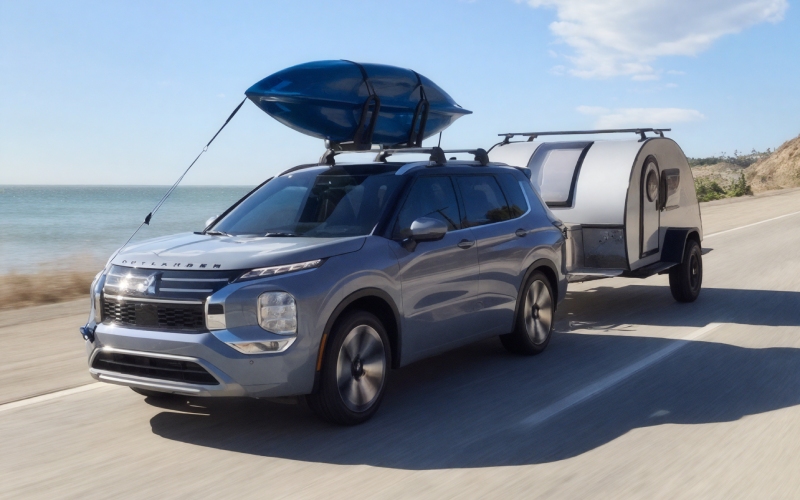
Jeff D’Ambrosio Of Oxford Mitsubishi – Elkton, MD Drives Made Easier — How the 2026 Mitsubishi Outlander’s 360 Multi-View Camera Works Day to Day
Parking lots do not have to be stressful. If you have ever inched around a crowded lot near Elkton’s Main Street shops or navigated a tight space at a youth sports complex, the 2026 Mitsubishi Outlander’s available 360° Multi-View Camera System can feel like a superpower. It stitches together views from multiple cameras to create a composite bird’s-eye image on the 12.3-inch central display, so you can see curbs, lines, posts, and people at a glance. Paired with parking sensors and crisp LED lighting, it helps transform low-speed maneuvers from guesswork into confidence—even when visibility is crowded or the angle is awkward.
The beauty of the system is not just the overhead view. On-screen toggles let you select front, rear, and side perspectives, and dynamic guidelines move with your steering to help visualize your path. That makes it easier to pivot into a parallel spot along North Street, back into a narrow space at the grocery store, or slip past a curbside obstruction without scuffing a wheel. Add in the Outlander’s tight turning circle and electric power steering, and daily parking starts to feel smooth and repeatable—exactly what you want when wrangling bags, kids, or a busy schedule.
Real-world benefits Elkton drivers will notice
Drivers around Elkton, MD juggle a mix of suburban streets, historic blocks, and active community centers. The 2026 Outlander’s camera system complements that rhythm. Backing out of a driveway with tall hedges? The rear view and guidelines help you track clearance precisely. Need to squeeze into a street spot while traffic rolls by? The overhead image helps you position the Outlander confidently between the lines on the first try. Heading to a trailhead or sports field? Side views make it easier to avoid ruts or park flush along a makeshift shoulder. The more you use it, the more you realize the camera system saves time and reduces uncertainty—even for experienced drivers.
- Bird’s-eye clarity: Composite overhead imaging reveals your full surroundings in one quick glance.
- Selectable views: Front, rear, and side angles help you solve specific parking challenges.
- Dynamic guidelines: Steering-linked guides visualize your exact arc into or out of a space.
- Sensor support: Audible cues enhance awareness when solid sight lines are not possible.
Where many SUVs offer a basic rear camera, the Outlander’s 360° perspective adds a layer of situational awareness that is easy to appreciate and hard to give up. It is especially useful when the lot is busy or the lighting is poor—two very common scenarios at popular Elkton stops. While nothing replaces cautious, attentive driving, the camera suite gives you valuable context when inches matter and patience is thin.
How it pairs with the Outlander’s other everyday tech
What makes the 2026 Outlander stand out is how well its parking tech integrates with the rest of the cabin. The 12.3-inch Smartphone-link Display Audio with Navigation is large and crisp, so the camera feed is easy to see without squinting. Wireless Apple CarPlay® and Wireless Google Android Auto® keep your phone’s content right where you need it, and the available Yamaha® Premium Concert Sound turns routine trips into personal playlists with excellent clarity. If you select a trim with the available 12.3-inch full digital driver display or available 10.8-inch Head-Up Display, you can keep key drive info right in your sightline, reducing distraction as you move in and out of tricky spaces.
Safety tech rounds out the package. Forward Collision Mitigation with Pedestrian Detection and Rear Automatic Emergency Braking offer a reassuring buffer in unexpected moments, while Blind Spot Warning with Lane Change Assist and Rear Cross Traffic Alert help when sightlines disappear behind parked vans or full-size trucks. The Outlander’s available MI-PILOT Assist with Navi-link combines adaptive cruise control, lane guidance, and traffic sign awareness for a calmer feel on Route 40 or I-95 stretches, letting you arrive less fatigued before the parking ballet even begins.
Practical tips to get the most from the 360 system
- Practice in a quiet lot: Spend a few minutes in an open area to learn how the guidelines move with your steering and how the views toggle.
- Use multiple angles: Start with the overhead view, then confirm with a side or rear view to check curbs and posts.
- Mind the mirrors: Cameras are helpful, but a quick mirror check adds a vital perspective—especially for approaching pedestrians.
- Set a routine: Make the camera pop-up part of your parking habit so it becomes second nature.
With a little practice, the 360° Multi-View Camera System feels like a natural extension of your parking instincts. It is there when you need it and unobtrusive when you don’t, a quiet helper that removes friction from daily errands and family logistics.
Frequently Asked Questions:
Does the 360° Multi-View Camera System record video?
No. It provides real-time imaging for maneuvering and does not store footage. It is designed for low-speed visibility and confidence while parking or navigating tight spaces.
Is the camera system standard on all 2026 Outlander trims?
The 360° Multi-View Camera System is available on select trims. We will help you compare trims side by side to find the package that matches your needs and budget.
How does the camera system work in rain or at night?
It is designed for a range of real-world conditions. LED lighting helps visibility at night, and the cameras provide clear images in typical rain and low-light scenarios. Always drive slowly and rely on multiple cues when visibility is reduced.
What if I am new to using a 360 camera?
We recommend a quick tutorial and a short practice session in a calm lot. Most drivers feel comfortable very quickly thanks to the intuitive display and dynamic guidelines.
At Jeff D’Ambrosio Of Oxford Mitsubishi, our team is happy to walk you through every feature that lightens your daily drive around Elkton, from the 360° Multi-View Camera System to available S-AWC and Yamaha® Premium Concert Sound. We are proudly serving Elkton, Oxford, and Newark with a selection of 2026 Outlander models that make parallel spots, angled curbs, and busy lots easier than ever. If you are ready to reduce parking stress and add everyday confidence, the 2026 Outlander is an outstanding place to start.
Request more 2026 Mitsubishi Outlander information
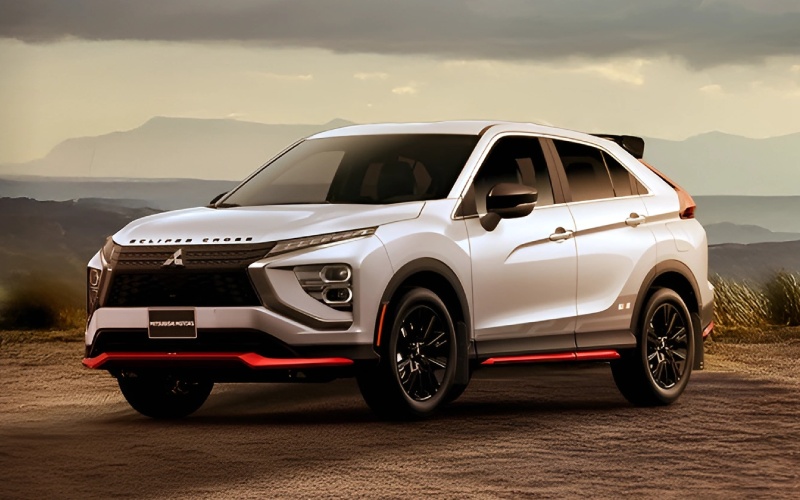
Jeff D’Ambrosio Of Oxford Mitsubishi – Mitsubishi Connect made practical for daily life with the 2026 Mitsubishi Eclipse Cross around Downingtown, PA
Mitsubishi Connect with Safeguard and Remote Services takes the 2026 Mitsubishi Eclipse Cross from simply convenient to truly helpful in the rhythm of everyday life around Downingtown, PA. While the Eclipse Cross already shines with standard Super-All Wheel Control (S-AWC), it’s the thoughtful software side that quietly saves time and reduces stress—especially when schedules stack up and family logistics get busy. Because Mitsubishi Connect is designed to work in the background, you gain on-demand visibility and control without fuss, and with enrollment, you can use the 24-month trial period to discover which features you reach for most.
The idea is simple: the smartphone in your pocket becomes a reliable command center for your Eclipse Cross. Need to confirm whether you locked the doors after rushing into the YMCA for pickup? Check status and lock remotely. Wondering if your teenager arrived at practice on time? You can set boundary or time-based alerts for driving peace of mind. Even small wins—like locating your vehicle at the Downingtown Train Station lot or starting the cabin so it’s comfortable before a pre-dawn commute—add up across the week. This is everyday tech done right: quick to use, relevant to real life, and designed to work hand in hand with the Eclipse Cross’s intuitive interior and available Handsfree Power Tailgate for smooth errand runs.
What Mitsubishi Connect Includes and Why It Matters
Mitsubishi Connect with Safeguard and Remote Services (enrollment required) integrates core remote commands, vehicle status monitoring, and assistance features that bring reassurance to your routine. You can lock or unlock the doors remotely, locate your vehicle in a busy parking area, and access key vehicle health indicators. This sense of oversight complements the quiet comfort of the Eclipse Cross cabin—especially useful when your day spans early meetings, a mid-day errand on Lancaster Avenue, and a youth sports drop-off at Kardon Park. It’s not flashy tech for the sake of it; it’s purposeful capability that keeps the details of vehicle ownership organized.
Just as importantly, Mitsubishi Connect’s Safeguard component supports incident response and confidence on the go. If a warning light appears or you need assistance, the system can facilitate access to help. Paired with available active safety features like Blind Spot Warning (BSW) with Lane Change Assist (LCA), Rear Cross Traffic Alert (RCTA), and Forward Collision Mitigation (FCM) with Pedestrian Detection, Mitsubishi Connect rounds out a thoughtful approach to safety and awareness that plays well with real-world driving.
How Drivers Use It Day to Day
Because the 2026 Eclipse Cross is built for everyday practicality, Mitsubishi Connect enhances what you already appreciate about the SUV—easy size, smart storage, and calm road manners. Many owners lean on remote lock/unlock and vehicle locator features the most, particularly in shared-vehicle households or when balancing work and family calendars. If you’re juggling quick stops between the Market Street corridor and the US-30 Bypass, being able to validate lock status or find your SUV in a busy lot is a quiet time-saver. The convenience shows up in little moments: no need to double back, no second-guessing where you parked, and no wondering whether the vehicle is secure.
Families also appreciate setting up alerts to keep tabs on driving windows and locations for new drivers. It’s not about micromanaging—it’s about peace of mind that keeps the week moving smoothly. The Eclipse Cross’s calm ride and supportive seating already help reduce the friction of daily travel; Mitsubishi Connect adds a simple digital layer that helps everyone feel more at ease.
Feature Tips for Getting the Most Value
Setup takes minutes, and it’s worth taking a few extra minutes to personalize notifications so you only receive what matters. If you park in different areas throughout Downingtown, set geofencing or location-based alerts you’ll routinely use. Organize profiles for multiple drivers so each person can access remote commands without sharing passwords, and create a quick routine: check door status at lunch, confirm fuel range before the afternoon run up to Struble Trail, and look up your vehicle’s position if the parking area is at capacity.
- Remote lock/unlock: Quickly secure your Eclipse Cross from your phone without returning to the lot.
- Vehicle locator: Pinpoint your Eclipse Cross in bustling parking areas off the US-30 Bypass.
- Status checks: Review basic health indicators to plan service without surprise interruptions.
- Alert setup: Customize boundary or time-based notifications for family driving peace of mind.
- Assistance access: Use Safeguard features to connect with help when you need support.
Pair these with the Eclipse Cross’s available Multi-View Camera System and you have a driving-and-parking toolkit that feels perfectly built for borough streets, school lots, and trailhead parking. It’s a calmer way to handle the touchpoints that can make commuting and errands feel busy.
How It Fits with the Rest of the Eclipse Cross
Mitsubishi Connect doesn’t exist in a vacuum; it complements the Eclipse Cross’s cabin design and standard S-AWC, plus the available Handsfree Power Tailgate and Power Folding Side Mirrors. Inside, the layout is user-friendly, with clear controls and straightforward menus. The available 8-inch display and smartphone integration keep navigation and media close at hand, and with Mitsubishi Connect adding remote convenience outside the vehicle, daily tasks move faster with fewer steps. For drivers who value fuss-free tech, the balance here is ideal.
It also extends the Eclipse Cross’s value proposition beyond the drive itself. Between Mitsubishi’s strong warranty program, standard S-AWC confidence, and available safety features, the SUV already anchors a smart ownership experience. Mitsubishi Connect layers on proactive awareness and quick-command control that’s just as valuable at 7 a.m. as it is at 7 p.m. when energy is lower, and to-do lists are long.
Local Perspective and Buying Confidence
Around Downingtown, the Eclipse Cross’s size and visibility make urban errands and school pickups simple, while S-AWC supports poised traction for winding roads toward Marsh Creek State Park. Mitsubishi Connect keeps your routine steady, giving you accessible control whether you’re parked near Johnsontown Park or meeting friends along Business 30. It’s the kind of detail owners come to rely on—quietly making every week a little smoother.
If you’re deciding whether to lease or finance, consider how you’ll use Mitsubishi Connect. Drivers who like trying the latest updates every few years might lean toward leasing. Those planning to keep the Eclipse Cross for the long haul may prefer financing, leveraging the system’s benefits across many years of ownership. Either way, it’s a capability you’ll appreciate long after your first week behind the wheel.
When you want hands-on help, the team at Jeff D’Ambrosio Of Oxford Mitsubishi is ready to demonstrate Mitsubishi Connect, answer your questions about enrollment, and help you tailor settings to your daily habits. We’re serving Lancaster, Springfield, and Downingtown with a consultative approach that makes choosing trims and features straightforward, whether you prioritize active safety, convenience, or a balanced mix of both.
Bottom line: If you value tech that quietly improves everyday driving, Mitsubishi Connect with Safeguard and Remote Services is a standout reason the 2026 Eclipse Cross feels built for real life here in Chester County. It’s smart, approachable, and designed to keep up with your week—without demanding your attention.
Request more 2026 Mitsubishi Eclipse Cross information
Connect with us


- July 2026
- June 2026
- May 2026
- April 2026
- March 2026
- February 2026
- January 2026
- October 2024
- September 2024
- August 2024
- July 2024
- June 2024
- May 2024
- April 2024
- March 2024
- February 2024
- January 2024
- December 2023
- November 2023
- October 2023
- September 2023
- August 2023
- July 2023
- June 2023
- May 2023
- March 2023
- February 2023
- January 2023
Archives
- Jeff D'Ambrosio Of Oxford Mitsubishi Service
- Mitsubishi Dealer
- Mitsubishi Eclipse Cross
- Mitsubishi Ford Toyota Dealer
- Mitsubishi Outlander
- Mitsubishi Outlander Plug-In Hybrid
- Mitsubishi Outlander Sport
- Mitsubishi Service
- Oxford Mitsubishi Dealer
- Oxford Mitsubishi Service
- Oxford Used Cars
- Used Dealer