
Jeff D'Ambrosio Of Oxford Mitsubishi

Blog / Oxford Mitsubishi Service

How Often Should Your Mitsubishi Get an Oil Change?

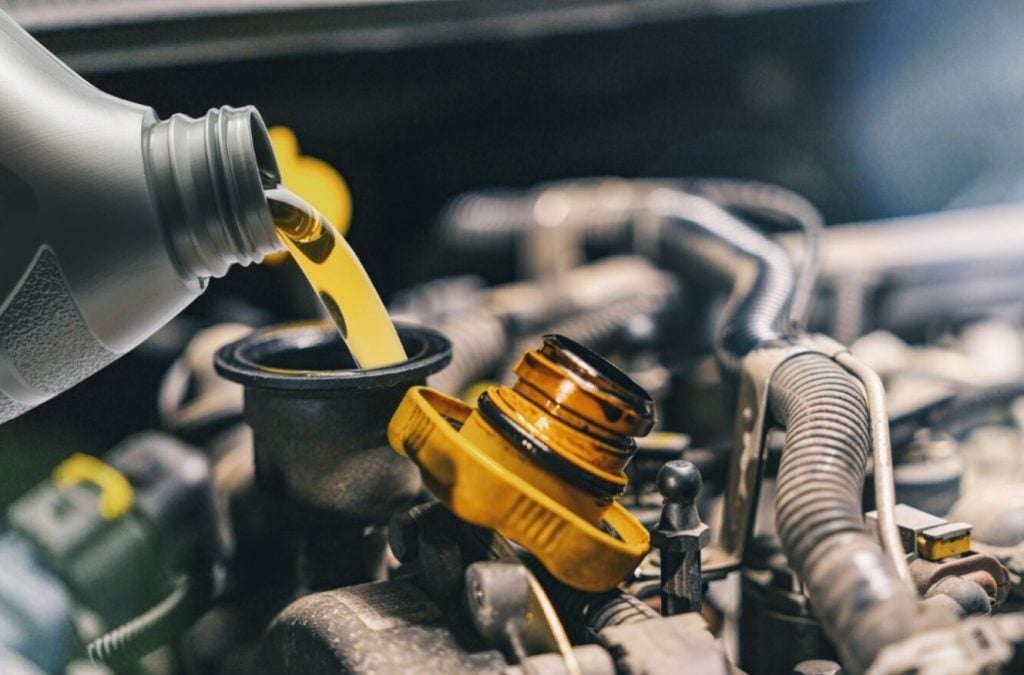
up close shot of a Mitsubishi tech filling up a Mitsubishi vehicle with oil.

Just as your own body relies on regular nourishment to perform at its best, your Mitsubishi demands the vital elixir of fresh oil to keep its engine running smoothly. At Jeff D'Ambrosio of Oxford Mitsubishi, we understand the critical role oil plays in the lifeblood of your vehicle. This guide will help you decipher the mysteries of oil changes and ensure your Mitsubishi enjoys optimal performance for years to come.

Image obtained from Shutterstock

The Symphony of Lubrication:

Imagine your Mitsubishi's engine as a complex orchestra. Pistons pump, valves open and close, and gears mesh in a harmonious ballet. But this symphony requires a crucial conductor: engine oil. Acting as the lifeblood, oil flows through the engine, lubricating moving parts and minimizing friction. This lubrication prevents wear and tear, allowing the engine to operate smoothly and efficiently.

The Silent Enemy:

However, engine oil doesn't last forever. Over time, it succumbs to contamination. Dirt, dust, and metal shavings accumulate, transforming the once-golden liquid into a viscous, abrasive sludge. This sludge hinders the oil's ability to lubricate, leading to increased friction, decreased performance, and even costly repairs.

The Rejuvenating Bath:

An oil change is akin to a rejuvenating bath for your Mitsubishi's engine. It removes the accumulated contaminants, restoring the oil's purity and lubricating properties. This revitalization allows your engine to breathe easier, perform better, and run longer.

The Rhythmic Benefits:

Regular oil changes at Jeff D'Ambrosio of Oxford Mitsubishi offer a multitude of tangible benefits:

  • Enhanced Performance: Clean oil reduces friction, leading to smoother operation and increased responsiveness.
  • Improved Fuel Efficiency: A clean engine runs more efficiently, resulting in better gas mileage and saving you money at the pump.
  • Reduced Emissions: Efficient combustion leads to cleaner emissions, contributing to a greener tomorrow.
  • Extended Engine Life: Regular oil changes prevent wear and tear, ensuring your Mitsubishi enjoys a long and healthy life.
  • Peace of Mind: Knowing your engine is well-maintained brings peace of mind, allowing you to focus on the joy of the drive.

Unveiling the Interval:

The frequency of your Mitsubishi's oil change depends on various factors, including the type of oil used, your driving habits, and the vehicle's age. Consult your owner's manual for the manufacturer's recommended oil change interval. However, as a general guideline, most Mitsubishi vehicles benefit from oil changes every 3,000 - 5,000 miles.

Your Trusted Partner in Mitsubishi Maintenance:

At Jeff D'Ambrosio of Oxford Mitsubishi, we understand the importance of proper oil maintenance for your Mitsubishi's longevity. Our team of certified technicians utilizes the latest technology and high-quality Mitsubishi-approved oil to ensure your engine receives the care it deserves. We offer convenient scheduling options to fit your busy lifestyle, and our friendly staff is always happy to answer any questions you may have.

Don't let your Mitsubishi's engine falter due to dirty oil. Schedule your oil change today at Jeff D'Ambrosio of Oxford Mitsubishi and experience the transformative power of fresh, clean oil. Remember, a well-maintained Mitsubishi is a happy Mitsubishi, and a happy Mitsubishi is a driver's delight.

Posted in:

Related Posts

Signs Your Mitsubishi Needs Maintenance

Regular maintenance is crucial to ensure the longevity and performance of your Mitsubishi vehicle. Recognizing the signs that your car needs attention can prevent costly repairs and keep you safe on the road. Here, we outline the key indicators that suggest it's time to schedule maintenance for your Mitsubishi. Image obtained from Shutterstock Unusual Noises Hearing unfamiliar sounds while driving is often a sign that something is amiss. Squealing or Grinding Brakes: Indicates worn brake pads or potential rotor damage. Engine Knocking: Suggests issues with the engine's internal components, possibly due to poor fuel quality or worn parts. more Warning Lights on the Dashboard Modern Mitsubishi vehicles are equipped with advanced systems that alert you to potential issues. Check Engine Light: A general indicator that requires immediate attention to diagnose the underlying problem. Oil Pressure Warning: Signals low oil levels or a problem with the oil pump, necessitating prompt action. Decreased Performance A noticeable drop in your vehicle's performance can indicate the need for maintenance. Reduced Fuel Efficiency: May be caused by clogged filters or malfunctioning sensors. Sluggish Acceleration: Could be due to transmission issues or engine problems. Unusual Vibrations Feeling vibrations while driving is a clear sign that something needs to be checked. Steering Wheel Shakes: Often a result of misaligned wheels or worn suspension components. Vibrations During Braking: Indicates potential issues with the brake rotors or calipers. Fluid Leaks Spotting fluid under your vehicle is a sure sign that maintenance is required. Oil Leaks: Suggest problems with gaskets or seals that need addressing. Coolant or Transmission Fluid: Leaks can lead to overheating or transmission failure if not resolved. Strange Smells Unusual odors emanating from your vehicle are often indicative of underlying issues. Burning Smell: Could be due to overheating components or electrical issues. Sweet Smell: Often associated with a coolant leak, which can lead to engine overheating. Staying vigilant for these signs can help maintain your Mitsubishi's reliability and performance. Regular maintenance not only extends the life of your vehicle but also ensures your safety on the road. At Jeff D'Ambrosio of Oxford Mitsubishi in Oxford, PA, our skilled technicians are ready to assist with all your maintenance needs, keeping your Mitsubishi running smoothly.

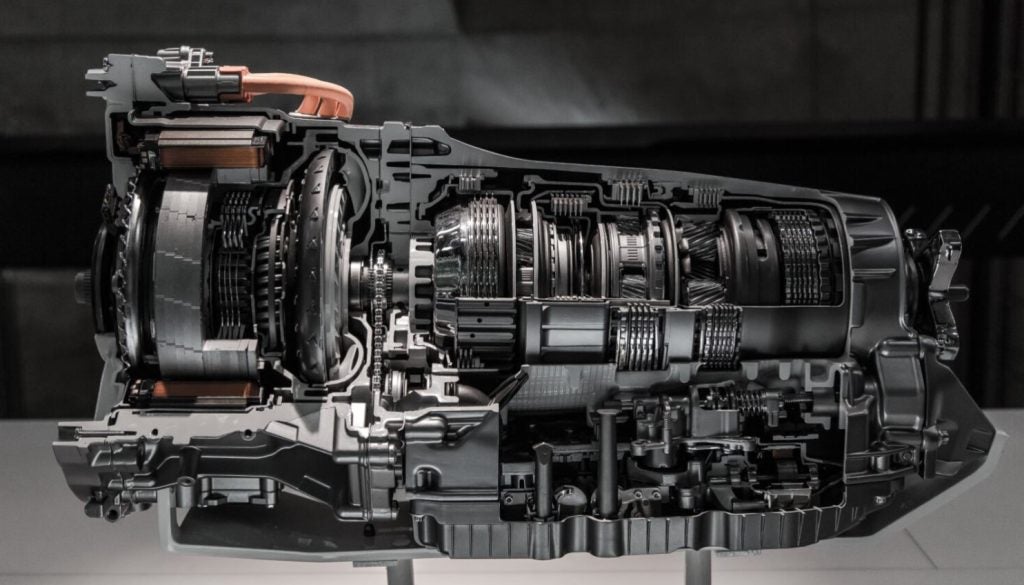
inside of a transmission

Mitsubishi Transmission Care: Ensuring Smooth and Efficient Performance

At Jeff D'Ambrosio of Oxford Mitsubishi, we understand the significance of maintaining your Mitsubishi's transmission to ensure its longevity and optimal performance. Proper transmission care is essential to safeguarding your vehicle's smooth and efficient operation. In this comprehensive guide, we will explore the importance of Mitsubishi transmission care, providing valuable insights to help you preserve the reliability and functionality of your vehicle's transmission system. Image obtained from shutterstock Understanding Transmission Care The transmission system in your Mitsubishi plays a critical role in transferring power from the engine to the wheels, enabling seamless shifts between gears to accommodate various driving conditions. As such, it's vital to prioritize routine transmission care to uphold its functionality and prevent potential issues that may arise over time. more Key Aspects of Transmission Care: Fluid level and condition check Regular transmission fluid changes Inspection of transmission components Addressing warning signs of transmission issues Importance of Routine Maintenance Maintaining your Mitsubishi's transmission is crucial for several reasons. Regular care not only promotes smoother gear shifts and efficient power delivery but also helps prevent costly repairs and potential breakdowns. By adhering to a consistent transmission maintenance schedule, you can extend the lifespan of your vehicle's transmission, ensuring a reliable and enjoyable driving experience. Signs of Transmission Issues Recognizing the early indicators of transmission problems is essential in addressing potential issues before they escalate. Be attentive to the following signs that may indicate transmission issues, prompting the need for professional inspection and care: Common Warning Signs: Delayed or rough shifting Transmission fluid leaks Unusual noises during gear changes Dashboard warning lights Burning odor from the transmission Maintenance Frequency To maintain optimal transmission performance, it's advisable to follow the manufacturer's recommended maintenance schedule for your Mitsubishi model. Routine transmission fluid checks and changes, along with periodic inspections, are integral to preserving the integrity of your vehicle's transmission system and ensuring long-term reliability. Professional Service and Care At Jeff D'Ambrosio of Oxford Mitsubishi, our certified technicians possess the expertise and experience to provide comprehensive transmission care for your Mitsubishi vehicle. From routine fluid checks to complex transmission diagnostics, our team is dedicated to delivering top-tier service to keep your transmission in prime condition. Prioritizing Mitsubishi transmission care is an essential aspect of vehicle maintenance, ensuring the longevity, reliability, and efficiency of your vehicle's transmission system. By adhering to a proactive maintenance regimen and promptly addressing any signs of transmission issues, you can safeguard your Mitsubishi's transmission and enjoy a smooth and dependable driving experience for years to come.

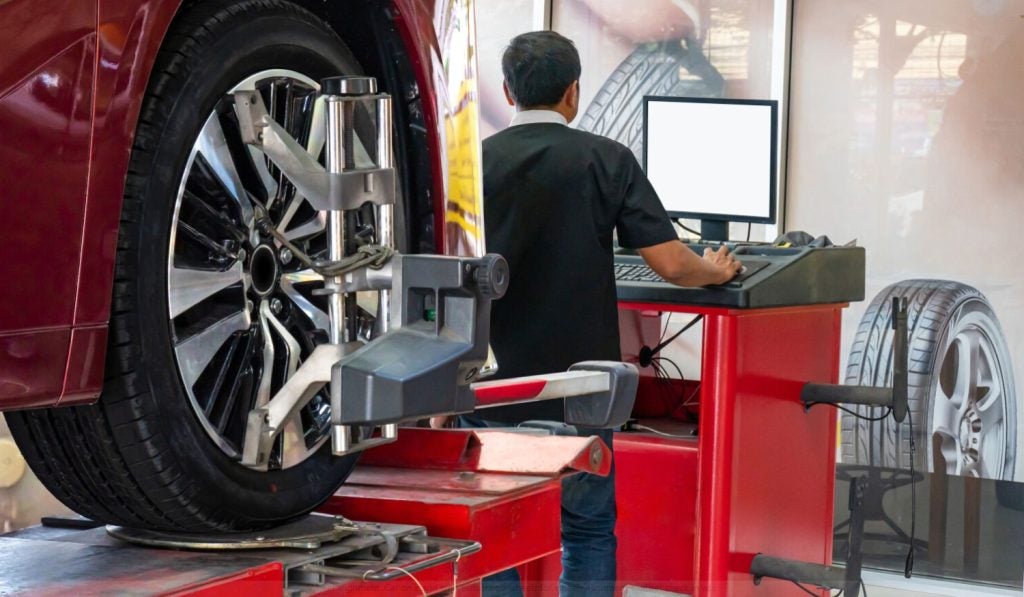
Mitsubishi tech performing a tire alignment.

The Road to Longevity: The Importance of Tire Alignments in Regular Maintenance

When it comes to vehicle maintenance, we often think about oil changes, brake inspections, and engine tune-ups. While these are undoubtedly critical aspects of car care, one essential component often flies under the radar: tire alignments. At Jeff D'Ambrosio of Oxford Mitsubishi, we believe that understanding the significance of regular tire alignments is vital for the longevity and performance of your vehicle. In this article, we'll explore why tire alignments should be a part of your routine maintenance schedule. Image obtained from Shutterstock What is a Tire Alignment? First, let's clarify what a tire alignment involves. A tire alignment, also known as a wheel alignment, is the process of adjusting the angles of your vehicle's wheels to ensure they are perpendicular to the ground and parallel to each other. These adjustments, performed by certified technicians, help your tires make proper contact with the road, promoting even tire wear and optimal handling. more The Impact of Tire Alignments: Extended Tire Life: Regular alignments prevent uneven tire wear, which can lead to premature tire replacement. By investing in alignments, you're essentially prolonging the life of your tires. Improved Fuel Efficiency: When your tires are correctly aligned, they roll more smoothly, reducing rolling resistance. This, in turn, can enhance your vehicle's fuel efficiency, saving you money at the pump. Enhanced Handling and Safety: Properly aligned wheels ensure that your vehicle handles predictably, making it easier to maintain control during turns and emergency maneuvers. This translates to increased safety for you and your passengers. Reduced Strain on Suspension: Misaligned wheels can place additional stress on your vehicle's suspension components. Regular alignments can help prevent costly repairs down the road. Signs Your Vehicle Needs an Alignment: It's essential to recognize the telltale signs of misalignment to address the issue promptly: Vehicle Pulling: If your car tends to veer to one side when you're driving straight, it's a clear indicator of misaligned wheels. Uneven Tire Wear: Inspect your tires for uneven wear patterns. If you notice that one side of a tire is more worn than the other, it's time for an alignment. Crooked Steering Wheel: When your vehicle is correctly aligned, the steering wheel should be straight while you're driving on a level road. If it's crooked, alignment may be needed. Vibrations: Vibrations in the steering wheel or throughout the vehicle could be due to misaligned wheels. When Should You Schedule Alignments? To keep your vehicle running smoothly, follow these guidelines for scheduling alignments: Every 12,000 Miles: Consider scheduling an alignment check approximately every 12,000 miles, or at least once a year. After Impact: If you've hit a pothole, curb, or any substantial obstacle in the road, it's a good idea to have your alignment checked. New Tires: When you invest in new tires, make sure to align your wheels as well. This ensures even tire wear and maximizes tire longevity. Why Choose Jeff D'Ambrosio of Oxford Mitsubishi for Your Alignments: At Jeff D'Ambrosio of Oxford Mitsubishi, we take pride in providing top-tier alignment services for your vehicle. Here's why we're your trusted choice: Expert Technicians: Our certified technicians possess the expertise needed to perform precise alignments, ensuring your vehicle drives smoothly and safely. Cutting-Edge Equipment: We use state-of-the-art alignment equipment, guaranteeing the utmost accuracy and reliability in our services. Genuine Parts: We exclusively use genuine Mitsubishi parts, preserving your vehicle's quality and performance. Transparent Service: We believe in clear communication. You'll always receive detailed explanations of the work required, upfront pricing, and any additional recommendations. Customer-Centric Approach: Your satisfaction and safety are our top priorities. Our team is dedicated to providing exceptional service tailored to your needs. A Smooth Ride Ahead Regular tire alignments may not be the most glamorous part of vehicle maintenance, but they are undeniably crucial. By including alignments in your routine care, you're not only extending the life of your tires but also ensuring a safer and more efficient driving experience. Contact Jeff D'Ambrosio of Oxford Mitsubishi today to schedule your tire alignment service. We're here to help you maintain even tire wear, improve fuel efficiency, and keep your vehicle performing at its best. Your journey starts with a well-aligned vehicle, and we're ready to make every mile a smooth and enjoyable ride.