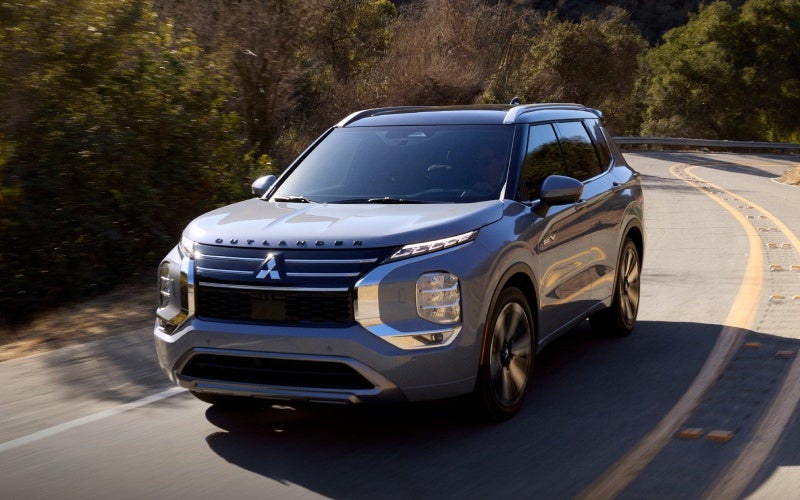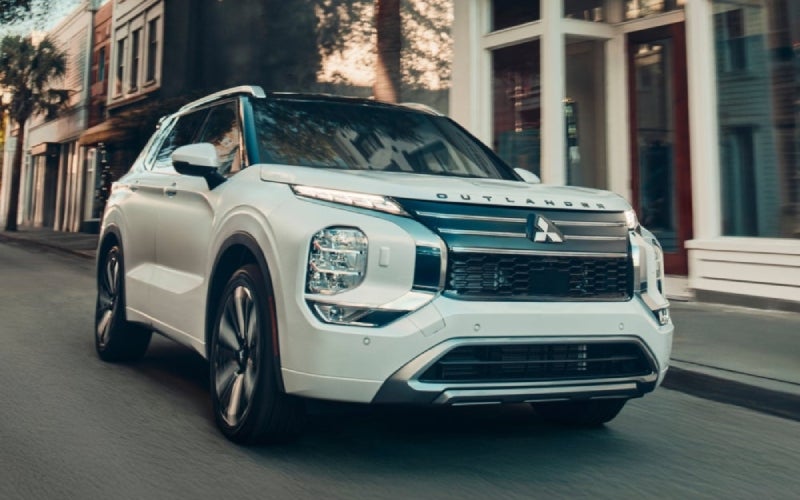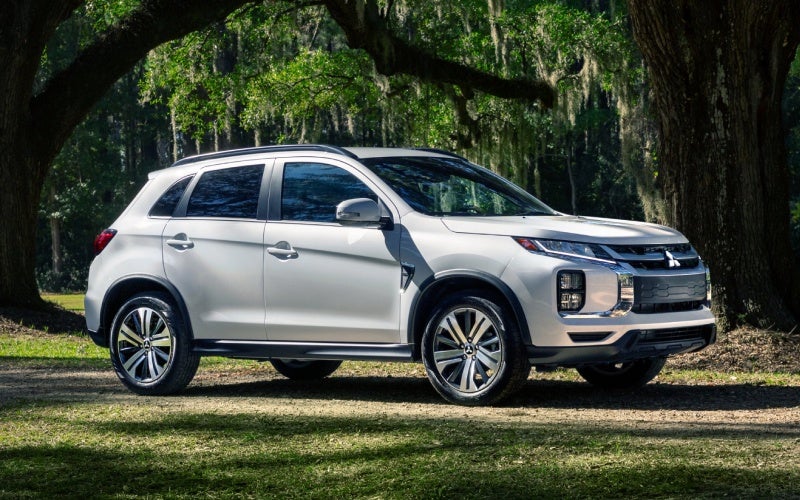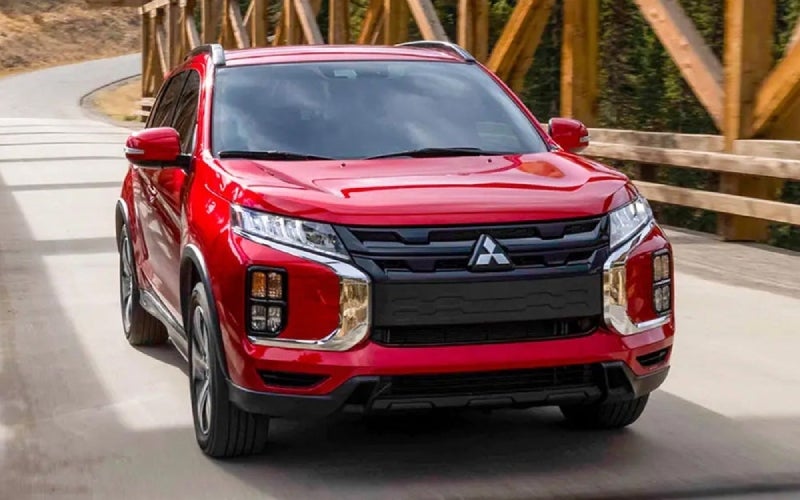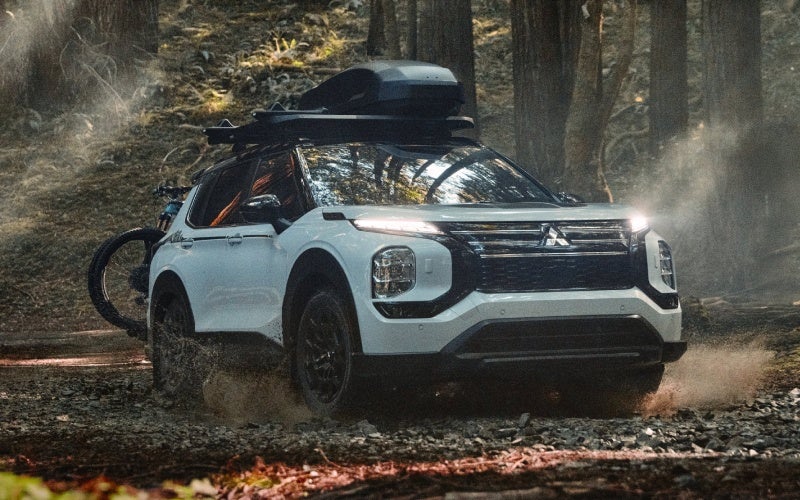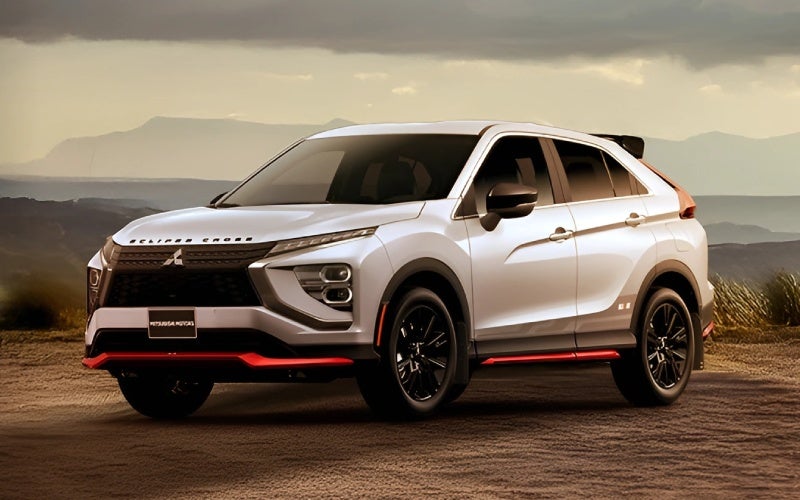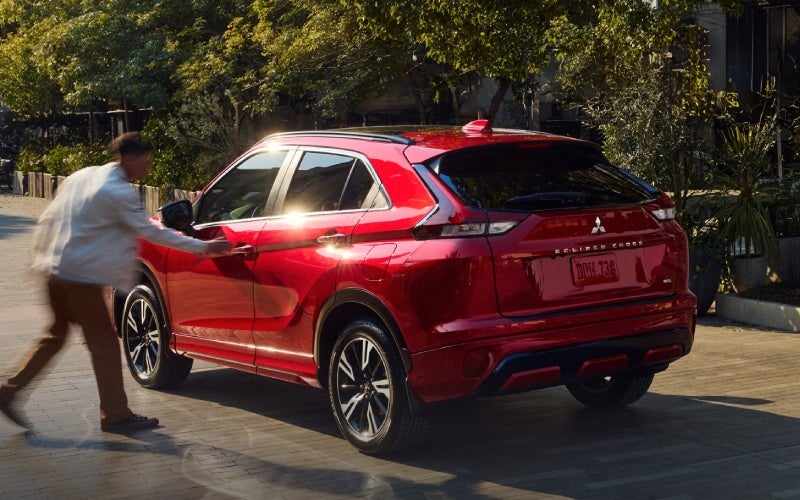

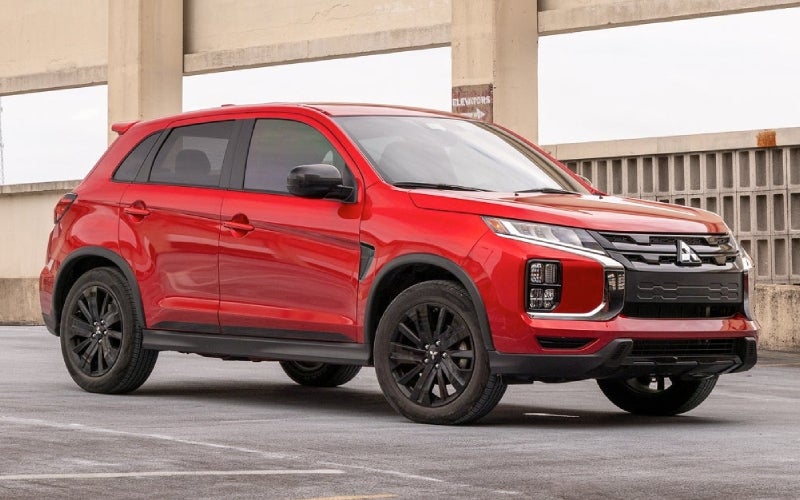
Jeff D'Ambrosio Of Oxford Mitsubishi - Is the 2027 Mitsubishi Outlander Sport Easy to Drive around Downingtown, PA? The 2027 Mitsubishi Outlander Sport is a compact crossover that makes everyday driving feel approachable, especially for shoppers who want SUV versatility without moving into a large vehicle. Around Downingtown, PA, drivers often balance neighborhood roads, business districts, school drop-offs, shopping centers, and highway connections, so an easy-to-drive SUV can make a meaningful difference. The Outlander Sport answers that need with a manageable footprint, a practical five-passenger cabin, available All-Wheel Control (AWC), and helpful driver-assist systems that support confidence behind the wheel. For many in-market shoppers, “easy to drive” means more than just small size. It means the vehicle should park without stress, feel stable at speed, offer good visibility, carry daily gear, and provide technology that is useful rather than distracting. The 2027 Outlander Sport fits that description well. Its 171.9-inch overall length and 34.8-ft turning circle help it feel nimble in tighter spaces, while its 8.5 inches of ground clearance gives it a more confident stance than a traditional small car. Compact Size That Works in Real Life The Outlander Sport’s dimensions are one of its biggest advantages for everyday driving. A compact crossover should feel natural in parking lots, easy to guide through narrow streets, and simple to position in traffic. With an overall width of 71.3 inches and a wheelbase of 105.1 inches, the Outlander Sport delivers SUV usefulness without making the driver feel like extra space is being wasted. This matters around Downingtown because daily driving often includes a mix of older roads, newer shopping areas, residential streets, and busy intersections. A vehicle that is too large can feel tiring in those settings. The Outlander Sport is sized to reduce that stress while still offering the elevated seating position and cargo flexibility that make SUVs popular in the first place. What Makes It Comfortable for Daily Driving? The cabin is designed for straightforward comfort. The Outlander Sport offers five-passenger seating, 41.6 inches of front leg room, 36.3 inches of rear leg room, and 97.5 cu. ft. of SAE passenger volume. That gives it enough space for commuters, small families, couples, and drivers who often bring friends or coworkers along for the ride. Available upgrades such as leather seats, heated front seats, and a four-way power driver seat can add more comfort depending on trim. Convenience also plays a role. Automatic Climate Control is standard, helping the cabin stay comfortable without constant adjustment. Steering Wheel Audio and Phone Controls are standard, as is Bluetooth® Wireless Technology. Depending on trim, shoppers can also choose the available 8" Smartphone-Link Display Audio system, which supports available Apple CarPlay® and Android Auto™. That makes it easier to use familiar navigation, calls, music, and compatible apps through the vehicle interface. Driving Confidence with Available All-Wheel Control Available All-Wheel Control (AWC) is one of the strongest reasons to consider the Outlander Sport if confidence is a top priority. Mitsubishi notes that AWC monitors the road and transfers power and braking to the wheels with the most traction. For local drivers, that kind of capability can be helpful when pavement is wet, roads are uneven, or a route includes loose surfaces such as gravel parking areas or rural cut-throughs. The Outlander Sport is also engineered with stability and control systems that support the driver. Active Stability Control (ASC), Anti-lock Braking System (ABS) with Electronic Brakeforce Distribution (EBD) and Brake Assist, Hill Start Assist (HSA), and Tire Pressure Monitoring System (TPMS) are all part of the safety and security equipment. The result is a crossover that feels designed to help drivers stay more aware and in control during routine travel. Key Specs Shoppers Should Know When comparing compact SUVs online, it helps to look at the numbers that shape everyday usability. The 2027 Outlander Sport offers a practical mix of size, space, and drivability. Passenger seating: Five seats make the Outlander Sport practical for commuting, errands, and small-family routines. Cargo space: 21.7 cu. ft. behind the second row and up to 49.5 cu. ft. behind the front seats support flexible hauling. Ground clearance: 8.5 inches helps the vehicle feel more prepared for uneven entrances, rougher pavement, and varied local roads. Turning circle: A 34.8-ft turning circle helps with parking lots, U-turns, and tight maneuvering. Powertrain: Many trims use a 2.0L MIVEC DOHC 16-valve Inline 4-cylinder engine with 148 HP and 145 lb-ft of torque. These details show why the Outlander Sport is easy to recommend for drivers who want a vehicle that feels compact during the commute but still provides SUV versatility when plans change. Safety Technology That Supports Awareness The 2027 Outlander Sport includes several standard driver-assist and safety features that shoppers should pay close attention to. Forward Collision Mitigation (FCM) with Pedestrian Detection uses front radar and camera technology to monitor ahead, alert the driver when an obstacle is detected, and apply the brakes in an attempt to avoid or reduce a potential collision. Lane Departure Warning monitors lane position and provides audible and visual alerts if unintentional drifting is detected. Automatic High Beam (AHB) is also standard, helping adjust headlight intensity when vehicles are ahead or approaching. The Rearview Camera is standard, which is especially useful when backing out of parking spaces or lining up in tighter driveways. RISE Body Construction helps divert energy away from occupants in a collision, and the 7-Airbag System includes front, front-seat-mounted, side-curtain, and a driver-side knee airbag. These systems do not replace attentive driving, but they provide valuable support. How to Test Drive It for Your Routine A test drive should answer the questions that matter to your actual life, not just confirm that the vehicle looks good online. Before visiting, think about where you drive most often and what you carry most often. Then use the drive to evaluate comfort, control, visibility, and technology. Adjust the cabin first: Set the seat, mirrors, steering wheel, and climate controls before judging comfort. Try a tight parking maneuver: Use the Rearview Camera and steering response to see how easy the Outlander Sport feels in smaller spaces. Drive at multiple speeds: Include slower streets and faster connecting roads to evaluate the CVT and engine response. Fold the rear seats: Check whether the 60:40 rear seat folding function fits your cargo needs. Pair your phone: Test Bluetooth® Wireless Technology and, if equipped, available Apple CarPlay® or Android Auto™. After the drive, compare trims carefully. Some shoppers may want the simplicity of a core model, while others may prefer available comfort, styling, and technology upgrades. If traction confidence is a priority, be sure to ask specifically about models equipped with available All-Wheel Control (AWC). Frequently Asked Questions: Is the 2027 Mitsubishi Outlander Sport good for commuting around Downingtown, PA? Yes. Its compact size, smooth CVT, useful cargo space, and standard safety systems make it a strong fit for commuting. The turning circle and overall length help in parking areas, while the cabin offers enough room for passengers and daily essentials. Does the 2027 Outlander Sport offer enough cargo room for errands and weekend plans? The Outlander Sport offers 21.7 cu. ft. of cargo volume behind the second row and up to 49.5 cu. ft. behind the front seats. That is helpful for groceries, luggage, backpacks, small furniture, sports gear, and other everyday items. Should I choose available All-Wheel Control (AWC)? Available AWC is worth considering if you want added traction confidence on wet, uneven, or changing road surfaces. Drivers who regularly travel rural roads, hilly routes, or varied pavement may find it especially valuable. What technology features should I look for? Look for available Apple CarPlay®, Android Auto™, available 8" Smartphone-Link Display Audio, Bluetooth® Wireless Technology, steering wheel controls, and available USB charging options. These features can make daily driving more convenient and connected. The 2027 Mitsubishi Outlander Sport is easy to drive because it blends the right amount of SUV function with a compact, confident feel. For Downingtown-area shoppers who want a practical crossover that does not feel oversized, it offers a smart combination of maneuverability, cargo flexibility, safety technology, and available AWC. A thoughtful test drive will make its strengths clear, especially if you compare its size, comfort, and controls against the routes you drive most often. Request more 2027 Mitsubishi Outlander Sport information
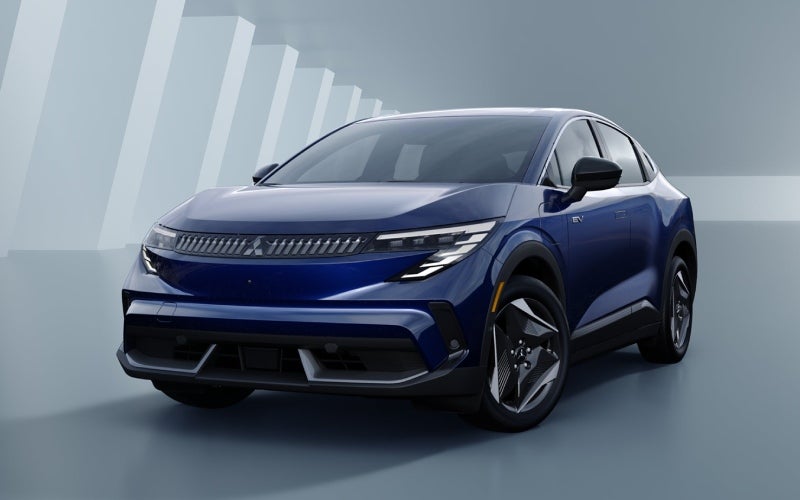
Is the 2027 Mitsubishi Eclipse Sportback EV practical for charging around Lancaster, PA?
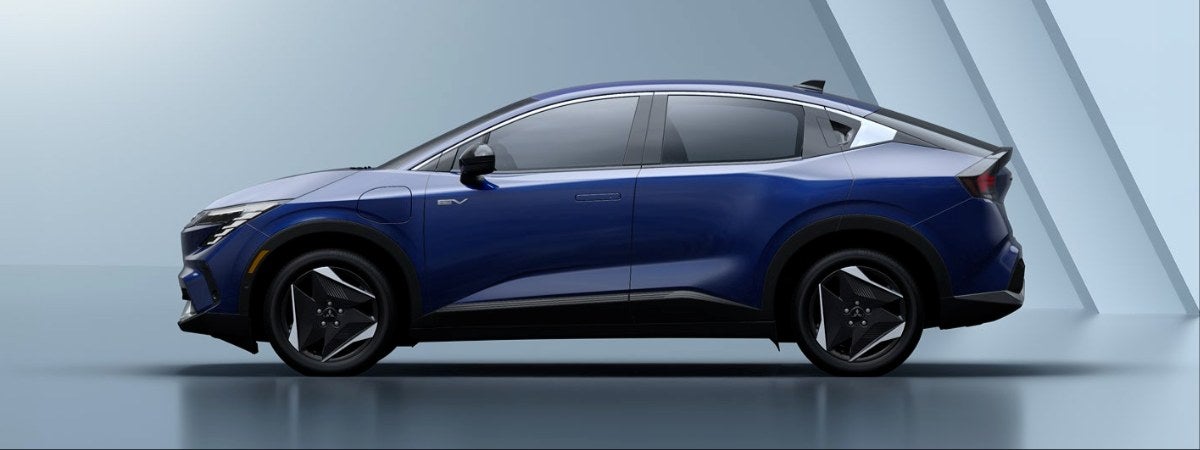
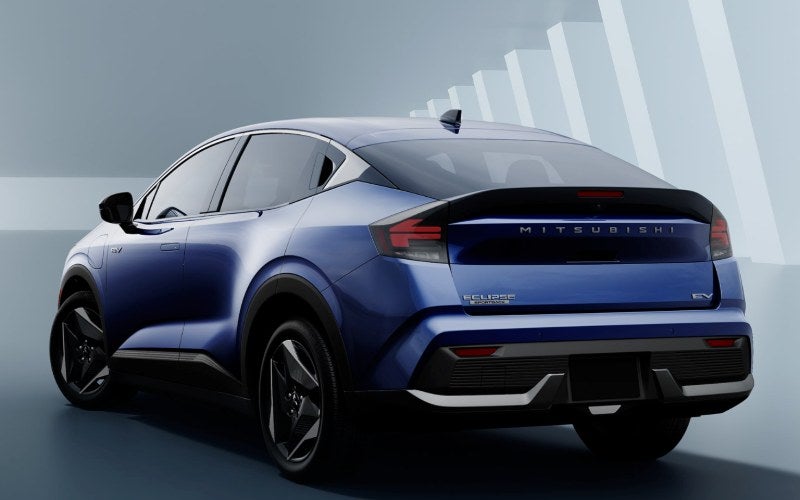
Jeff D'Ambrosio Of Oxford Mitsubishi - Is the 2027 Mitsubishi Eclipse Sportback EV practical for charging around Lancaster, PA? Charging practicality is a major part of deciding whether an electric vehicle will fit your daily routine, and the 2027 Mitsubishi Eclipse Sportback EV gives shoppers several reasons to feel confident. For drivers around Lancaster, PA, the question is not only how far the vehicle can travel, but how easy it is to keep it charged between commutes, errands, family activities, and regional trips. The Eclipse Sportback EV is designed to make that transition more approachable with access to Level 1, Level 2, and Level 3 charging, including Level 3 charging through the Tesla® Supercharger network. That flexibility matters because not every driver has the same setup at home or the same driving schedule. Some shoppers may start with a standard household outlet, while others may prefer installing Level 2 charging for faster at-home charging. For longer drives, DC fast charging helps make electric travel more practical. When an EV supports several charging paths, owners can build a routine that feels natural instead of restrictive. Why charging flexibility matters for local EV shoppers Lancaster-area drivers often balance a mix of local roads, highway travel, shopping centers, school schedules, and occasional longer drives toward Philadelphia, Delaware, Maryland, or the surrounding Pennsylvania region. A useful EV has to support more than a single commute. It should be able to handle weekday driving, unexpected detours, and weekend plans without creating constant range concerns. The Eclipse Sportback EV is expected to offer a projected driving range of up to 282 miles, which is a strong foundation for daily use. Range is only part of the ownership picture, though. The ability to recharge in different ways is what helps an EV become easy to live with. Mitsubishi has stated that the Eclipse Sportback EV will provide access to Level 1 and Level 2 charging, plus Level 3 charging through the Tesla® Supercharger network. That combination gives shoppers a broad set of options rather than forcing one charging approach. Understanding Level 1, Level 2, and Level 3 charging For someone new to EV ownership, charging terminology can feel more complicated than it really is. The easiest way to think about charging is by speed and location. Level 1 charging is the simplest form because it uses a standard household outlet. It is typically the slowest method, but it may work well for drivers who travel shorter distances each day or who want a backup charging option. Level 2 charging is often the preferred home charging solution because it uses 240-volt power and can add charge much faster than a standard outlet. Many EV owners choose Level 2 charging because plugging in overnight can make the vehicle feel ready for the next day. Public Level 2 stations can also be found at workplaces, shopping areas, parking garages, and other destinations, depending on local infrastructure. Level 3 charging, also known as DC fast charging, is designed for faster charging during longer drives or when time matters. The Eclipse Sportback EV is expected to support Level 3 charging through the Tesla® Supercharger network, which is especially important because that network is one of the largest fast-charging networks in North America. For drivers who travel beyond Lancaster, this helps make EV ownership feel more flexible and less limited to home charging. What makes the Eclipse Sportback EV convenient to recharge? Reported details for the Eclipse Sportback EV point to a thoughtful charging setup. The vehicle is expected to use a NACS port for DC fast charging and a J-1772 port for AC charging. That split strategy can help make charging interactions more straightforward depending on the type of charger being used. A portable charging cord with pigtails for both 240-volt and 120-volt outlets is also expected, adding another layer of convenience for owners who want flexibility. Another practical detail is battery preconditioning. When a DC fast charger is entered into the navigation system as a destination, the vehicle can automatically precondition the battery pack for faster charging under appropriate conditions. Drivers can also reportedly tell the vehicle to precondition if navigation is not being used. This is the kind of behind-the-scenes EV technology that can make charging stops more efficient and predictable. Home charging: Level 1 can work as a basic starting point, while Level 2 is usually better for routine overnight charging. Public charging: Level 2 stations can support charging while shopping, working, dining, or running errands. Fast charging: Level 3 access through the Tesla® Supercharger network supports longer trips and quicker charging stops. Portable charging: A cord with 120-volt and 240-volt pigtails adds flexibility in more charging situations. Battery preconditioning: Navigation-linked preparation can help the battery accept fast charging more effectively. These charging tools are especially helpful for first-time EV shoppers because they reduce the learning curve. Instead of building your life around the vehicle, you can shape a charging routine around your home, workplace, public stations, and travel patterns. How often would a typical driver need to charge? The answer depends on how many miles you drive each day, how much range you prefer to keep in reserve, and where you charge. With a projected range of up to 282 miles, many drivers may find that they do not need to plug in every single day. A commuter who drives a moderate distance may choose to charge a few times per week, while a higher-mileage driver may prefer nightly Level 2 charging for convenience. For Lancaster-area routines, think about your regular week. Add up commuting, school transportation, grocery trips, appointments, and weekend driving. Then compare that total with the projected range. This simple exercise can help you understand whether Level 1 is enough for your lifestyle or whether Level 2 home charging would be worth considering. Drivers who often take longer regional trips should also review fast-charging locations along frequent routes. Track your weekly miles: Estimate your total mileage across commuting, errands, activities, and personal travel. Identify charging access: Consider whether you can charge at home, work, public stations, or frequent destinations. Plan for longer drives: Look at fast-charging availability along routes you commonly use outside the Lancaster area. Think about charging comfort: Decide how much range you prefer to keep available before plugging in again. Ask detailed questions: Review charging speeds, equipment needs, and ownership habits with a Mitsubishi specialist. Taking these steps before purchase can make EV ownership feel far more predictable. The right charging plan is personal, and the Eclipse Sportback EV gives shoppers enough flexibility to build a plan that works. Frequently Asked Questions: Can I charge the 2027 Mitsubishi Eclipse Sportback EV at home? Yes. Mitsubishi has stated that the Eclipse Sportback EV will offer Level 1 and Level 2 charging. Level 1 uses a standard household outlet and can be useful for light charging or backup charging. Level 2 uses 240-volt power and is usually the better choice for faster overnight home charging. Does the Eclipse Sportback EV support fast charging? Yes. The Eclipse Sportback EV is expected to support Level 3 charging through the Tesla® Supercharger network. This gives drivers access to fast-charging options that are especially useful on longer drives or when a quicker recharge is needed away from home. What is the projected driving range? The 2027 Mitsubishi Eclipse Sportback EV has a projected driving range of up to 282 miles. Real-world range can vary based on speed, temperature, traffic, terrain, climate control use, and driving habits, but the estimate gives shoppers a strong benchmark for planning. Is a Level 2 home charger necessary? It is not required for every driver, but many EV owners prefer Level 2 charging because it is faster and more convenient for regular home use. If you drive often or want the vehicle ready each morning with less planning, a Level 2 setup may be worth exploring. A practical EV choice for charging confidence The 2027 Mitsubishi Eclipse Sportback EV is appealing because it does not rely on one charging solution. It gives shoppers multiple paths: simple household charging, faster Level 2 charging, and Level 3 access through the Tesla® Supercharger network. Combined with its projected 282-mile range, modern cabin technology, useful cargo space, and Mitsubishi ownership support, it is well suited to drivers who want an EV that fits real life. For Lancaster, PA shoppers comparing electric SUVs, the smartest next step is to think about your own driving pattern. If your weekly mileage, home parking situation, and travel habits line up well with the Eclipse Sportback EV’s charging flexibility, this Mitsubishi could be a highly practical move into electric driving. Request more 2027 Mitsubishi Eclipse Sportback EV information