

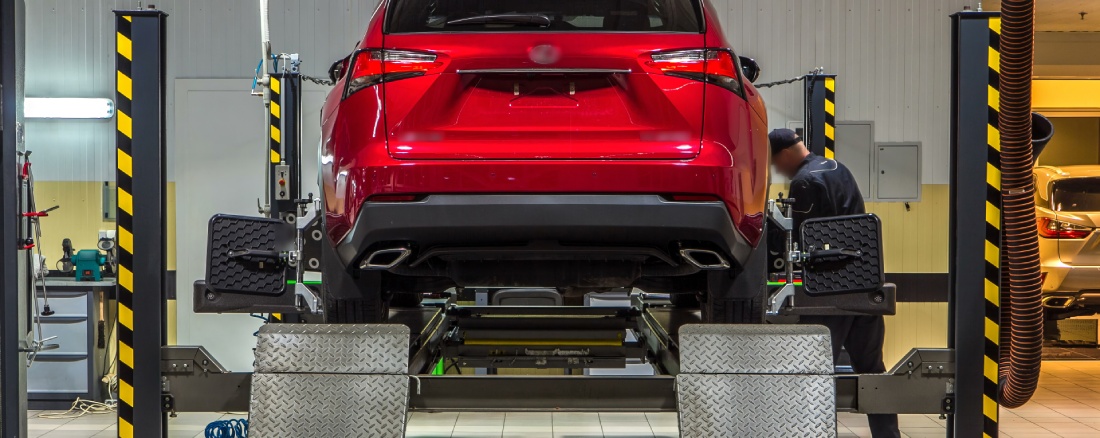
Tire Rotation vs. Wheel Alignment Service in Oxford, PA
Tire rotation and wheel alignment both help protect your tires, improve vehicle control, and support a smoother drive, but each service solves a different problem. Tire rotation means moving tires from one position on the vehicle to another so tread wear stays balanced across the full set. Wheel alignment, also called tire alignment, means adjusting suspension angles so the tires meet the road correctly and the vehicle tracks straight. For drivers in Oxford, PA, these services matter because daily routes can include Baltimore Pike, Route 1, rural roads near Landenberg, and cross-border trips toward Elkton, MD, where uneven pavement, tight turns, and normal commuting can gradually affect tire wear and steering feel. At Jeff D'Ambrosio Of Oxford Mitsubishi, we view tire care as part of complete vehicle maintenance, along with oil changes, brake inspections, battery checks, multi-point inspections, and genuine Mitsubishi parts support when needed. Rotation is usually a regular mileage-based service, while alignment is both preventive and diagnostic. If your tires look uneven, your steering wheel sits off-center, or your vehicle drifts on a straight road, knowing the difference can help you schedule the right service sooner and avoid unnecessary tire replacement.
What Tire Rotation Does and How Often It Is Needed
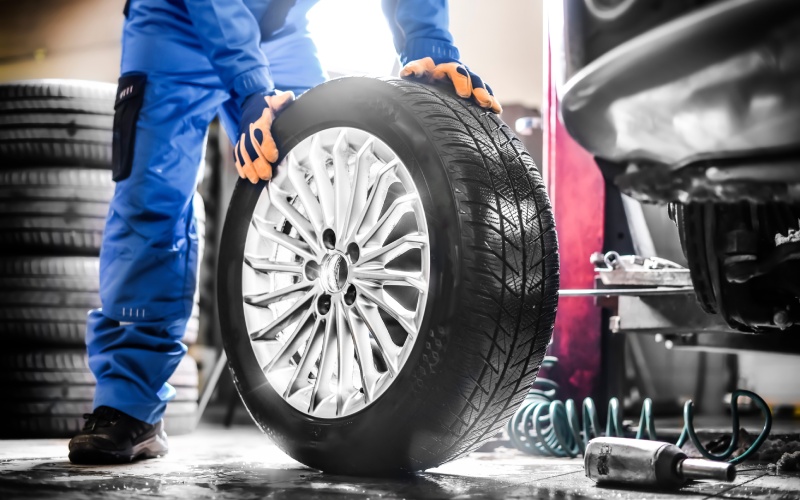
- Purpose: Tire rotation changes the position of each tire to help equalize tread wear from front to rear and side to side.
- Recommended interval: A tire rotation is generally recommended every 6,000 to 8,000 miles, or as listed in your vehicle maintenance schedule.
- Primary benefits: Regular rotation can extend tire life, improve traction, support balanced braking, and help maintain fuel efficiency.
- Common timing: Many drivers pair tire rotation with routine service visits such as oil changes or multi-point inspections for convenience.
Front tires and rear tires often wear at different rates because steering, braking force, drivetrain layout, and vehicle weight distribution are not identical at all four corners. On SUVs such as the Mitsubishi Outlander, Outlander Sport, Eclipse Cross, and Outlander PHEV, proper rotation helps keep tread depth more consistent, which can support predictable handling and confident stopping. Rotation does not correct the angle of the wheels, and it will not fix a vehicle that pulls to one side because of suspension geometry. Instead, rotation is best understood as preventive tire maintenance. If one tire is wearing faster due to alignment trouble, rotating the tires may spread the wear around temporarily, but the root cause still needs inspection. Signs that your vehicle may be overdue for rotation include uneven tread depth between front and rear tires, a humming tire noise that changes with speed, mild vibration from uneven wear, or visible wear patterns that were not present during the last service. Staying close to the 6,000 to 8,000 mile interval helps protect your tire investment.
What Wheel Alignment Does and Why It Matters
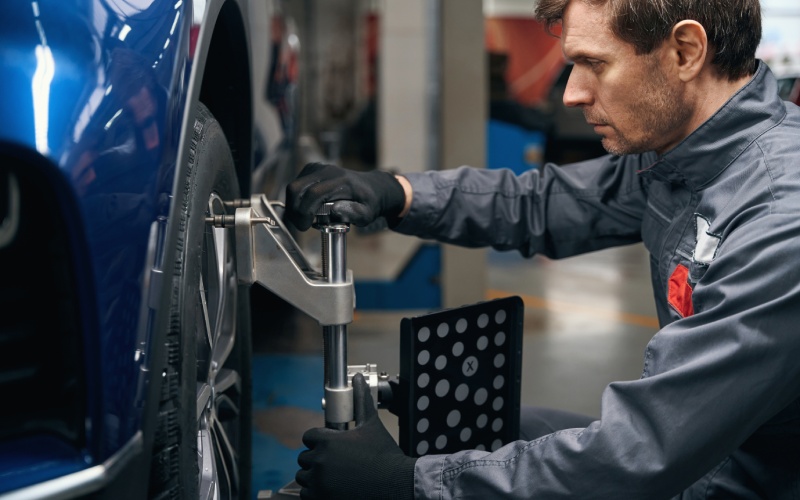
Wheel alignment is more technical than tire rotation because it focuses on the relationship between your tires, wheels, steering system, and suspension. During an alignment, certified technicians measure and adjust angles such as toe, camber, and caster according to vehicle specifications. Toe refers to whether the tires point slightly inward or outward when viewed from above. Camber describes the inward or outward tilt of the tire when viewed from the front. Caster relates to steering stability and the angle of the steering axis. When these angles move out of specification, the tires may scrub against the road instead of rolling cleanly, which can create rapid edge wear, reduced fuel economy, and less precise handling. The service center at Jeff D'Ambrosio Of Oxford Mitsubishi uses modern equipment to help restore proper alignment and support vehicle performance. Alignment is especially important after a significant pothole hit, curb impact, suspension repair, or new tire installation. It is also smart to schedule an alignment check about every 12,000 miles or at least once per year. Proper alignment helps your vehicle travel straight, keeps the steering wheel centered, reduces stress on suspension components, and allows new or existing tires to wear more evenly over time.
Symptoms: Rotation Problem or Alignment Problem?
- Vehicle pulls left or right: This usually points toward an alignment issue, especially when driving on a straight, level road.
- Steering wheel is crooked: A wheel alignment check is recommended when the vehicle drives straight but the steering wheel is not centered.
- Front tires wear faster than rear tires: A tire rotation may be overdue, although severe edge wear may also require alignment inspection.
- One tire edge is wearing quickly: Alignment angles may be out of specification and should be checked promptly.
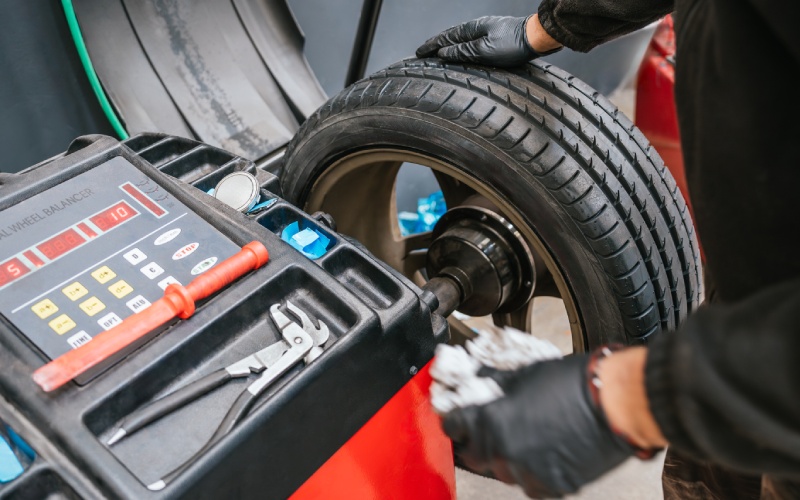
- Vibration through the steering wheel: Uneven tire wear, wheel balance, alignment concerns, or tire damage may be involved, so inspection is best.
- New tires were installed recently: Alignment can help protect the new tread, while future rotations keep wear balanced.
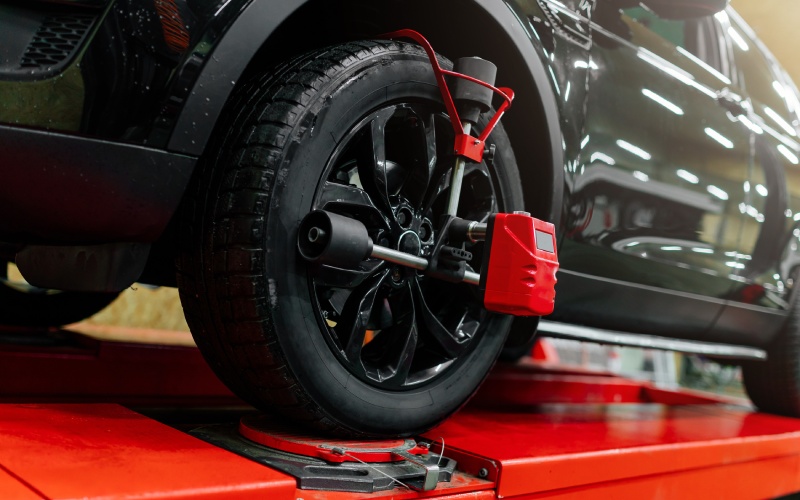
The easiest way to separate the two services is to think about wear pattern versus direction of travel. If your vehicle tracks straight and feels normal but the front and rear tires show different tread depths, rotation is likely the first step. If your vehicle drifts, pulls, wanders, or requires constant steering correction, alignment is more likely. Some symptoms overlap, which is why a professional inspection can save time. A vibration, for example, may come from uneven tread wear, a tire balance concern, a bent wheel, or suspension wear. Drivers around Oxford may notice symptoms after frequent parking-lot turns, uneven road shoulders, construction zones, or a hard impact with a pothole. If the steering changes suddenly, schedule service soon rather than waiting for the next routine interval. Early attention can help prevent a small tire wear issue from becoming a full set of prematurely worn tires, and it can help preserve the comfortable, confident ride your Mitsubishi was designed to deliver in Oxford, PA.
FAQ: Tire Rotation and Wheel Alignment Questions
Is tire rotation the same as wheel alignment?
No. Tire rotation changes where each tire sits on the vehicle to promote even wear. Wheel alignment adjusts suspension and steering angles so the tires contact the road correctly. Both services help tires last longer, but each addresses a different cause of tire wear.
How often should I rotate my tires?
Most vehicles benefit from tire rotation every 6,000 to 8,000 miles. Your owner’s manual may list a specific interval based on drivetrain, tire type, and maintenance schedule. If you drive often or notice uneven tread, ask for an inspection sooner.
How often should I get a wheel alignment?
A good guideline is to schedule an alignment check every 12,000 miles or at least once a year. You should also request an alignment after a hard curb or pothole impact, after suspension work, or when installing new tires.
Can alignment problems damage new tires?
Yes. New tires can wear unevenly very quickly if the wheels are out of alignment. That is why an alignment check is often recommended when replacing tires, especially if the old set showed feathering, cupping, shoulder wear, or one-sided tread wear.
Do I need both services at the same visit?
Sometimes, yes. If your tire wear is uneven and your steering is off-center or your vehicle pulls, rotation alone may not be enough. A technician can inspect tread depth, tire condition, suspension components, and alignment readings to recommend the right next step.
Schedule Tire Service with a Trusted Local Mitsubishi Service Team
Keeping up with tire rotation and wheel alignment is one of the simplest ways to improve safety, comfort, tire life, and overall vehicle performance. Rotation should usually happen every 6,000 to 8,000 miles, while alignment should be checked about every 12,000 miles, once per year, after impacts, or whenever steering symptoms appear. If you are unsure which service your vehicle needs, our service team can inspect tire wear patterns, check steering behavior, review maintenance history, and explain the findings clearly. Jeff D'Ambrosio Of Oxford Mitsubishi is proud to support drivers from Oxford, Landenberg, Nottingham, Kennett Square, and Elkton with routine maintenance, tire care, brake inspections, battery service, OEM parts access, and service for many makes and models, including EVs. Our factory-trained and certified technicians are here to help you stay on schedule and make confident service decisions without guesswork. If your tires are wearing unevenly, your steering wheel is crooked, your vehicle pulls, or your mileage interval is approaching, visit our service center in Oxford, PA. Schedule service online or contact our team today so we can help keep your vehicle tracking straight, riding smoothly, and ready for the miles ahead.