
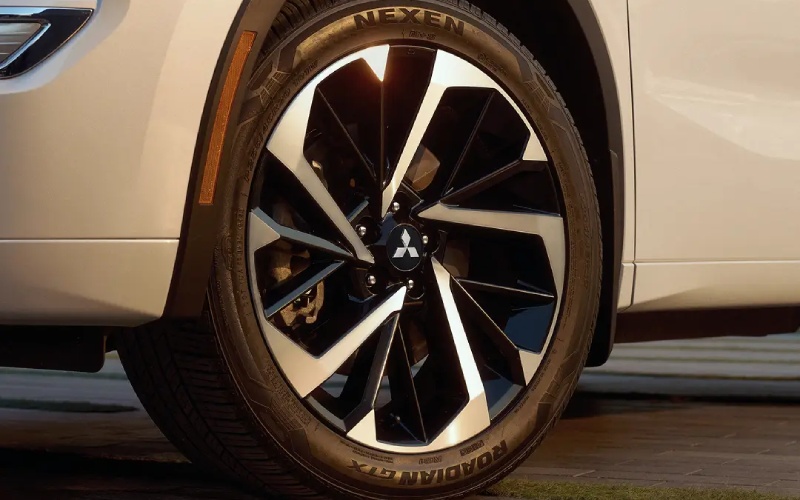
Jeff D'Ambrosio Of Oxford Mitsubishi - Choosing OEM Mitsubishi Wheels for West Grove, PA Drivers Who Want Proper Fit and Ride Quality
Wheels do more than change how a Mitsubishi looks in the driveway. For West Grove, PA drivers who use a vehicle for commuting, family errands, school activities, and weekend travel through southern Chester County, the right wheels can affect ride quality, steering feel, tire fitment, braking clearance, and long-term durability. That is why OEM Mitsubishi wheels are worth considering when a wheel is damaged, a set needs replacement, or a driver wants a cleaner factory-style upgrade. A wheel that is almost the right size may still create problems if the offset, bolt pattern, load rating, or hub fit is incorrect. Those details matter on daily routes between West Grove, Oxford, Kennett Square, and nearby Maryland communities, where a vehicle may move from borough streets to open roads within a short drive.
Why Wheel Fitment Matters
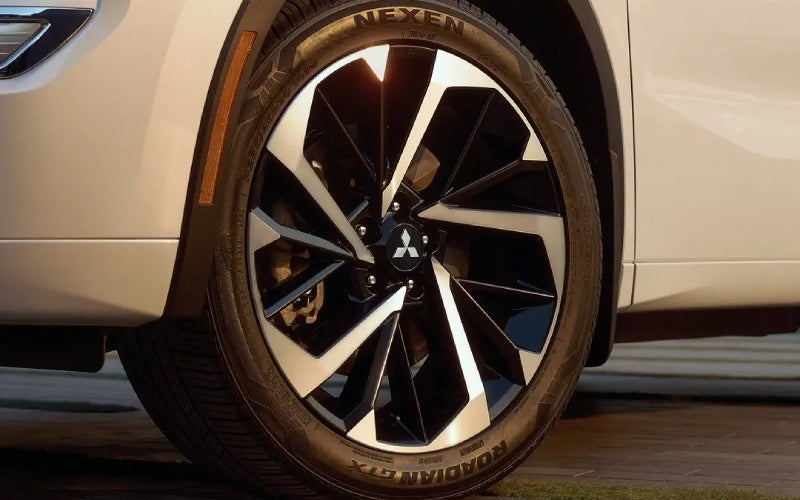
Wheel fitment is the set of measurements that determines whether a wheel truly belongs on a specific vehicle. It includes diameter, width, bolt pattern, offset, center bore, and load capacity. For Mitsubishi models such as the Outlander, Eclipse Cross, and Outlander Sport, wheel specifications are engineered to support how the vehicle rides, brakes, turns, and carries passengers or cargo. If the wheel sits too far inward, it can interfere with suspension or brake components. If it sits too far outward, it can affect steering geometry, tire wear, and body clearance. A mismatched wheel can also cause vibration if it does not center correctly on the hub. OEM wheels help simplify these concerns because the design is based on the vehicle’s intended engineering rather than a universal approximation.
Drivers sometimes start the wheel shopping process because of cosmetic damage, curb contact, pothole impact, corrosion, or a desire to refresh the look of an SUV. Those are valid reasons, but appearance should not be the only factor. A wheel needs to support the tire properly and work with tire pressure monitoring hardware where applicable. It also needs the correct lug seating and clearance for the brake system. When our parts center helps a customer research wheels, the process usually starts with year, make, model, and the desired part. From there, compatibility can be checked before ordering. Jeff D'Ambrosio Of Oxford Mitsubishi can also connect parts support with certified service guidance if inspection or installation is needed.
Common Reasons to Replace a Wheel
- Bent wheel: A hard impact can bend the rim and create vibration, air loss, or uneven tire contact.
- Cracked wheel: Visible cracks should be addressed quickly because structural integrity may be compromised.
- Corrosion concern: Corrosion around the bead seat can contribute to slow tire pressure loss.
- Cosmetic damage: Scrapes and curb marks may motivate a replacement when the driver wants a cleaner appearance.
- Factory upgrade: Some drivers prefer a Mitsubishi wheel design that better matches the vehicle’s trim or style goals.
West Grove drivers may notice wheel-related symptoms before seeing obvious damage. A steering wheel vibration at highway speed, a tire that loses pressure repeatedly, or a vehicle that feels unsettled after an impact can all justify an inspection. Wheel concerns can overlap with tire balance, tire wear, alignment, and suspension condition, so diagnosing the issue correctly matters. A damaged wheel may be the cause, but it can also be part of a larger service need. Our service department provides tire rotations, tire inspections, alignment guidance, brake checks, battery service, and multi-point inspections, which can help create a clearer picture before a customer invests in parts. That approach is especially useful for drivers who commute across varying road surfaces near Rising Sun, MD, Oxford, and West Grove.
OEM Wheels vs. Aftermarket Wheels
Aftermarket wheels can be appealing because of the wide range of designs, but choosing a non-factory wheel requires careful attention to engineering details. The wheel must match the vehicle’s load requirements, brake clearance, hub fit, lug configuration, and tire size range. If any one of those points is overlooked, a driver may experience vibration, rubbing, unusual tire wear, or a change in handling. OEM Mitsubishi wheels reduce uncertainty because each wheel is designed for Mitsubishi specifications. For many drivers, that means a more straightforward path to proper fit, factory appearance, and predictable road manners. OEM wheels can also help preserve the vehicle’s original design character, which may matter when maintaining resale appeal or keeping an SUV looking consistent with its trim level.
Another advantage of working with a dealership parts center is the ability to confirm related components. Depending on the situation, a wheel replacement may involve lug nuts, center caps, valve stems, or tire pressure monitoring system considerations. If a driver is replacing one wheel, matching the style and size of the remaining wheels is important. If a full set is being ordered, tire selection and alignment may become part of the planning conversation. The parts center can help determine whether an item is already available or needs to be ordered. Some parts may be in stock, while others may take about 3-5 business days depending on availability and the specific component requested.
Questions to Ask Before Ordering Wheels
- What is the exact year, model, and trim of the Mitsubishi?
- Is the goal to replace a damaged wheel or upgrade the full set?
- Will the current tires be reused, or is a new tire set needed?
- Are tire pressure monitoring components being transferred or replaced?
- Should alignment, balancing, or suspension inspection be scheduled at the same time?
These questions help avoid delays and make the process more efficient. For example, reusing tires may be possible if size, condition, and tread depth are appropriate, but a technician should inspect the tires before installation. If a wheel was damaged by impact, alignment should also be considered because the same event that bent a wheel may have affected suspension angles. If a driver wants a different wheel design, the parts team can help confirm whether the chosen option is appropriate for the specific Mitsubishi. This is where professional guidance adds real value: the goal is not just to order a wheel, but to support safe fitment and a smooth driving experience after installation.
Frequently Asked Questions:
Can I replace just one Mitsubishi wheel?
Yes, if the replacement wheel matches the size, design, and specifications of the remaining wheels. An inspection can confirm whether the tire and related hardware are still suitable.
Do I need an alignment after replacing a wheel?
An alignment is wise if the wheel was damaged by a pothole, curb, or other impact. Even if the vehicle drives normally, alignment can help protect tire wear and handling.
Can OEM wheels improve my vehicle’s appearance?
Yes. OEM wheel designs can refresh the look of a Mitsubishi while maintaining factory-style fitment and compatibility.
How do I start a wheel order?
Have the vehicle year, make, model, trim, and wheel request ready. Our parts team can use that information to research availability and fit.
If you are comparing wheel replacement options for a Mitsubishi in West Grove, PA or nearby communities, our parts center can help you make a confident decision without relying on guesswork. OEM wheels support proper fitment, balanced handling, and a factory-quality appearance, while certified service support can help with inspection, installation, balancing, and related maintenance. Whether the need started with curb damage, pressure loss, vibration, or a style upgrade, our team can help identify the right path. Contact our Service & Parts team, ask about Mitsubishi wheel availability, or plan a visit from West Grove, Oxford, Kennett Square, or near Rising Sun, MD for practical guidance from a team focused on fit, quality, and long-term confidence.