

Jeff D'Ambrosio Of Oxford Mitsubishi

Blog / Mitsubishi Eclipse Sportback EV

Can Oxford, PA renters charge the 2027 Mitsubishi Eclipse Sportback EV?

2027mitsubishieclipsesportbackev-exterior-02
Can Oxford, PA renters charge the 2027 Mitsubishi Eclipse Sportback EV?

Jeff D'Ambrosio Of Oxford Mitsubishi - Can Oxford, PA renters charge the 2027 Mitsubishi Eclipse Sportback EV?

Charging an electric vehicle as a renter in Oxford, PA can be practical when the vehicle supports multiple charging methods, and the 2027 Mitsubishi Eclipse Sportback EV is built with that kind of flexibility in mind.

For many local shoppers, the biggest EV ownership question is not simply how far the vehicle can go. It is where charging fits into daily life if you do not own a garage, cannot install a dedicated home charger, or share parking at an apartment, townhouse, or multi-unit property. Around Oxford, where daily driving may include Baltimore Pike, Route 1, nearby errands in West Grove, commutes toward Newark, DE, or weekend plans in Lancaster County, charging needs to feel manageable instead of complicated. That is why the 2027 Mitsubishi Eclipse Sportback EV deserves attention from renters and drivers without a traditional single-family home charging setup.

At Jeff D'Ambrosio Of Oxford Mitsubishi, we know many EV shoppers are not starting from a perfect garage scenario. Some drivers park outside. Some have assigned spaces. Some rely on workplace charging, public stations, or a standard outlet when available. The 2027 Mitsubishi Eclipse Sportback EV helps address those real-life situations with access to Level 1 and Level 2 charging, plus Level 3 DC fast charging through the Tesla® Supercharger network, the largest fast-charging network in North America. That combination gives Oxford-area renters more than one way to keep the battery ready for everyday driving.

Why Charging Access Matters More Than a Garage

If you rent near Oxford Borough, along Baltimore Pike, or in the surrounding areas of Landenberg, Nottingham, or Elkton, MD, you may not have the option to install a 240-volt charger where you park. That does not automatically rule out EV ownership. It simply means your charging routine should be planned around your actual parking, commuting, and errand habits.

The 2027 Eclipse Sportback EV offers a projected driving range of 282 miles, which gives many local drivers useful flexibility between charging sessions. A typical Oxford-area routine might include school drop-offs, trips to grocery stores, work commutes, appointments, and weekend drives across southern Chester County. With a projected range of 282 miles, the goal for many renters is not to charge every time the vehicle is parked. Instead, the goal is to build a rhythm that keeps enough range available for the week ahead.

That rhythm may include topping off at work, using a public Level 2 charger while running errands, or planning a DC fast-charging stop before a longer trip. Because the Eclipse Sportback EV supports several charging options, you are not locked into only one solution.

Charging Options for Renters Around Oxford, PA

The 2027 Mitsubishi Eclipse Sportback EV gives drivers several practical paths for charging. Each option fits a different kind of ownership situation, and renters may use more than one depending on the week.

  • Level 1 charging: Uses a standard 120-volt outlet and can be helpful for overnight or extended parking when available.
  • Level 2 charging: Uses 240-volt AC power and is commonly found at homes, workplaces, parking facilities, and some public charging locations.
  • Level 3 DC fast charging: Provides faster charging for road trips, busy weeks, or quick range recovery through compatible public fast-charging stations, including access through the Tesla® Supercharger network.

For a renter, Level 1 charging can be useful if your property allows safe access to an outlet, but it is usually best viewed as a steady top-off method rather than the fastest way to refill the battery. Level 2 charging is often the most convenient everyday public or workplace option because it can add meaningful range while the vehicle is parked for several hours. The Eclipse Sportback EV has an onboard charger capable of 7.2 kilowatts, and under referenced ideal conditions, Level 2 charging can take the battery from 20 to 80 percent in roughly 6.5 hours.

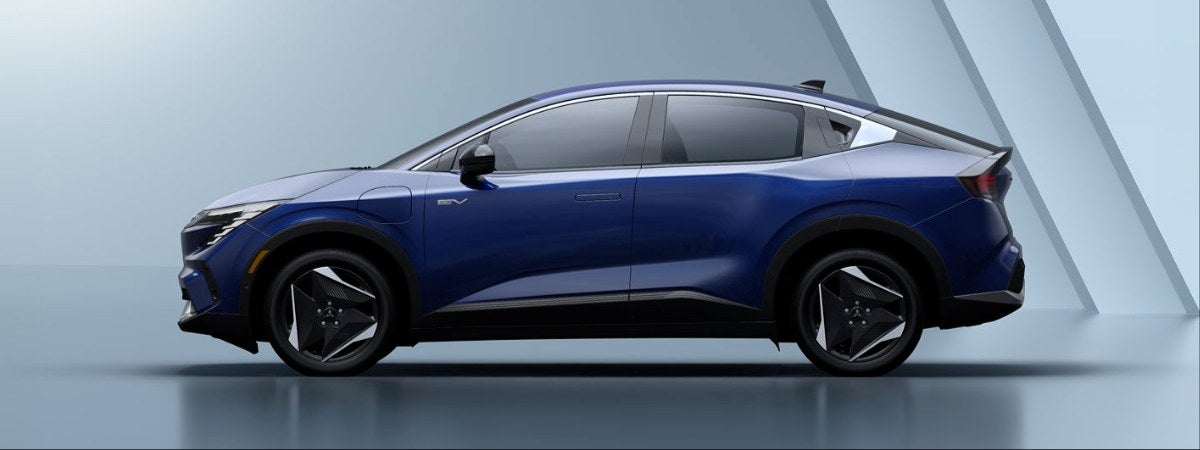
For quicker charging, the Eclipse Sportback EV uses a NACS port on the right-front fender for DC fast charging. Under ideal circumstances, DC fast charging can charge from 10 to 80 percent in about 35 minutes. That can be especially helpful if you are heading from Oxford toward Philadelphia, Wilmington, Lancaster, or the shore and want to start the drive with added confidence.

How a Renter-Friendly Charging Routine Could Work

A good EV charging plan starts with your normal week, not with a perfect-case example. If your daily driving around Oxford is moderate, you may only need to charge a few times per week. If your commute takes you farther, perhaps toward Newark, Wilmington, or the greater Philadelphia area, you may want a more consistent plan using workplace charging or public Level 2 stations.

Here is a practical way to think through your routine before choosing the 2027 Eclipse Sportback EV:

  1. Track your typical daily mileage for one week.
  2. Identify where the vehicle is parked the longest, such as home, work, or a regular shopping stop.
  3. Look for Level 2 charging near those locations.
  4. Note DC fast-charging options along your longer routes.
  5. Decide whether Level 1 access at home can supplement your public charging plan.

This approach helps remove guesswork. For example, if you drive from Oxford to a job site or office with charging access, your workday may become your primary charging window. If you regularly stop near larger shopping corridors, a Level 2 charger may fit into errands. If you often take longer trips, DC fast charging through the Tesla® Supercharger network adds another layer of convenience.

What Makes the Eclipse Sportback EV Helpful for Public Charging?

Public charging is easier when the vehicle is designed with clear charging hardware and smart trip support. The 2027 Mitsubishi Eclipse Sportback EV uses a split charge-port strategy. For DC fast charging, the NACS port is positioned on the right-front fender. For overnight or Level 2 public charging on 240-volt AC power, the J-1772 port is on the left-front fender. A CCS-to-NACS adapter is also included, adding flexibility when navigating compatible charging stations.

Another ownership-friendly feature is battery preconditioning when a DC fast charger is entered into the navigation as a destination. Preconditioning helps prepare the battery for faster charging under suitable conditions. If you are not using navigation, the driver can also tell the vehicle to precondition itself. For renters who may depend on public fast charging from time to time, that kind of planning support can make stops more efficient.

The Eclipse Sportback EV also comes standard with a portable charging cord with pigtails for both 240-volt and 120-volt outlets. That does not replace the convenience of a dedicated Level 2 setup, but it can be valuable for renters who have access to different charging situations. Whether you are visiting family, parking at a property with a suitable outlet, or planning around a temporary setup where permitted, having the proper portable equipment helps.

Daily Ownership Benefits Beyond Charging

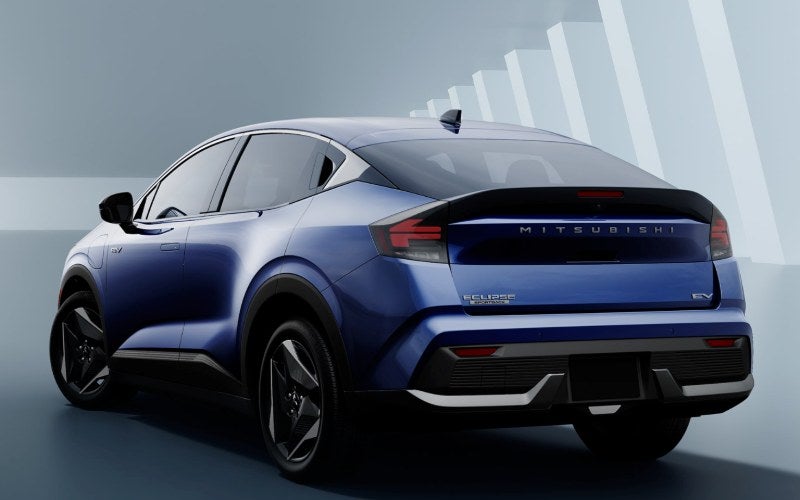
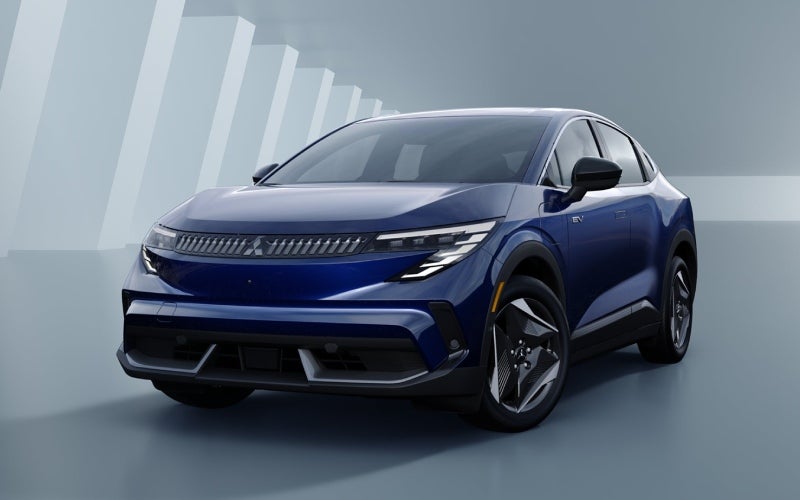
Renters comparing EVs often focus on charging first, but the rest of the vehicle still matters. The 2027 Eclipse Sportback EV is a sporty, subcompact electric SUV with unique fascias, distinct front and rear lights, striking alloy wheels, and Mitsubishi's iconic Triple Diamond branding. Its compact footprint can be an advantage around Oxford, especially when parking near local businesses, apartments, or tighter shared lots.

The vehicle is also designed to feel easy to live with. Reference impressions describe the cabin as remarkably quiet, with comfortable ride quality from its 18-inch alloy wheels and a 35.4-foot turning circle that helps with maneuvering and parking. Inside, the 2027 Eclipse Sportback EV includes a 14.3-inch digital instrument cluster and a 14.3-inch touchscreen display with navigation and control functions. Android Autoâ„¢ and Apple CarPlay are standard, which supports the connected driving habits many shoppers already expect.

For practical use, cargo space is also worth noting. The Eclipse Sportback EV offers up to 56 cubic feet of cargo space with the rear seats folded. That gives Oxford-area drivers room for groceries, small furniture finds, luggage, pet gear, or everyday items without needing a larger SUV. Standard equipment also includes heated front and rear seats, a heated steering wheel, front and rear automatic emergency braking, an around-view monitor function, and two 120-volt outlets that can power tools, camping equipment, or small appliances directly from the battery pack.

How Jeff D'Ambrosio Of Oxford Mitsubishi Can Help You Plan

EV shopping is easier when the conversation includes your parking situation, commute, and charging expectations. At Jeff D'Ambrosio Of Oxford Mitsubishi, we are here to help shoppers near Oxford, Landenberg, PA, and Elkton, MD think through EV ownership in a practical way. We can talk through Level 1, Level 2, and Level 3 charging differences, explain how charging ports and adapters fit into daily use, and help you compare the Eclipse Sportback EV with other Mitsubishi models if you are still deciding between electric, plug-in hybrid, and gas-powered options.

Our support also continues after the sale. Our service department is staffed with factory-trained technicians, and we service EVs. We also offer routine maintenance, tire service, brake inspections, multi-point inspections, genuine Mitsubishi parts, and online scheduling. EV ownership usually means fewer traditional maintenance items than a gas vehicle, but tires, brakes, cabin filters, software-related support, and inspections still matter for long-term confidence.

Frequently Asked Questions:

Can I own the 2027 Mitsubishi Eclipse Sportback EV in Oxford, PA if I rent and cannot install a home charger?

Yes, it can be a practical choice if your routine includes access to Level 2 public charging, workplace charging, occasional Level 1 charging, or DC fast charging. The 2027 Eclipse Sportback EV supports Level 1, Level 2, and Level 3 charging, including access through the Tesla® Supercharger network, which gives renters more flexibility than relying on a single home charging setup.

How often would an Oxford-area renter need to charge the Eclipse Sportback EV?

That depends on daily mileage, route type, driving style, and charging habits. With a projected driving range of 282 miles, many local drivers may not need to charge every day. A renter commuting locally around Oxford, West Grove, or nearby Chester County communities may be able to charge a few times per week, while a longer commute may call for a more consistent Level 2 or fast-charging plan.

Is Level 1 charging enough for renters?

Level 1 charging can help if you have safe and approved access to a standard outlet, especially for overnight top-offs or low-mileage routines. However, many renters will find Level 2 public or workplace charging more practical as a primary charging method because it adds range more quickly.

What should I ask my landlord or property manager before charging at home?

Ask whether EV charging is permitted, whether outdoor outlet use is approved, where cords may be safely placed, and whether the property has any plans for shared Level 2 charging. You should also confirm that any outlet use follows property rules and electrical safety requirements.

Why shop for the 2027 Mitsubishi Eclipse Sportback EV at Jeff D'Ambrosio Of Oxford Mitsubishi?

We understand the driving needs of Oxford-area shoppers and can help you evaluate the Eclipse Sportback EV based on real ownership factors, including charging access, commute length, cargo needs, service support, and long-term confidence. Our team is here to make the EV shopping process clear, helpful, and centered on how you actually drive.
Request more 2027 Mitsubishi Eclipse Sportback EV information

Posted in:

Related Posts

2027mitsubishieclipsesportbackev-header-01

Is the 2027 Mitsubishi Eclipse Sportback EV range practical for Nottingham, PA drivers?

Jeff D'Ambrosio Of Oxford Mitsubishi - Is the 2027 Mitsubishi Eclipse Sportback EV range practical for Nottingham, PA drivers? Range matters when an EV becomes part of a real household routine, and the 2027 Mitsubishi Eclipse Sportback EV gives Nottingham, PA shoppers a practical starting point with a projected 282-mile driving range. That figure is meaningful because many drivers are not only thinking about daily commuting. A typical week can include school drop-offs, grocery runs, work travel, appointments, visits to nearby communities, and weekend plans that stretch beyond a short loop around town. The Eclipse Sportback EV is designed to make those drives feel manageable without requiring constant charging stops. For many in-market shoppers, the biggest question is not whether an EV can work in theory. The better question is whether an EV can fit a familiar routine with minimal adjustment. The Eclipse Sportback EV supports that transition with a 75-kWh battery pack, flexible charging options, and a compact crossover format that keeps the vehicle easy to maneuver while still offering useful interior space. Mitsubishi's OEM information highlights Level 1 and Level 2 charging, along with Level 3 access through the Tesla® Supercharger network. That matters because range confidence is strongest when charging choices are simple, broad, and easy to plan around. Why the Projected 282-Mile Range Matters A projected 282-mile driving range gives the Eclipse Sportback EV enough flexibility for many Nottingham-area drivers to handle several days of normal use between charges, depending on mileage and driving style. A driver commuting locally, running errands, and making occasional regional trips may find that plugging in at home every few nights is enough. A driver with a longer commute can still use the vehicle effectively by building a regular charging habit into the week. As with any EV, actual range can vary based on speed, terrain, climate control use, tire condition, passenger load, cargo, and driving behavior. The key advantage is predictability. Once an owner learns how much range a normal commute uses, the vehicle becomes easier to plan around. EV driving often feels different from gasoline driving because charging can happen while the vehicle is parked overnight, during work hours where charging is available, or during a stop at a public charger. Instead of waiting for a tank to empty, many EV owners develop a routine of keeping the battery comfortably charged for the next day. The Eclipse Sportback EV's projected range supports that style of ownership. How Charging Flexibility Supports Real-World Use Mitsubishi's charging information is one of the most important pieces of the Eclipse Sportback EV story. Level 1 charging can work from a standard household outlet, which may be useful for light daily mileage or backup charging. Level 2 charging is the preferred home solution for many EV owners because it adds range faster and can usually replenish the battery during overnight parking. Provided details note a J-1772 port for Level 2 AC charging, with an onboard charger capable of 7.2 kilowatts and a reported 20 to 80 percent charging time of roughly 6.5 hours. For road trips and longer regional driving, the Eclipse Sportback EV also supports Level 3 DC fast-charging through the Tesla® Supercharger network. Provided details describe a NACS port for DC fast-charging and a reported 10 to 80 percent charging time of about 35 minutes under ideal conditions. That does not mean every charge stop will be identical, because charger output, battery temperature, state of charge, and other factors can affect charging speed. Still, access to a broad fast-charging network helps make the vehicle more useful beyond local driving. Level 1 charging: Best for low-mileage days, backup charging, or situations where a standard outlet is the only option. Level 2 charging: Ideal for home charging and regular overnight replenishment. Level 3 charging: Helpful for longer drives, regional travel, and faster charging stops. Portable charging cord: Provided details list a standard cord with 240-volt and 120-volt pigtails for added flexibility. That charging mix helps the Eclipse Sportback EV appeal to drivers at different stages of EV readiness. Some shoppers already know where a home charger will go. Others want to start with public charging and learn how the vehicle fits the week. The important point is that the Eclipse Sportback EV gives owners more than one way to keep moving. Performance and Efficiency Work Together Range is only part of the EV experience. The Eclipse Sportback EV is also designed to feel responsive in everyday driving. Provided content points to a 214-hp electric motor and 261 lb-ft of torque powering the front wheels. Electric torque arrives quickly, which helps the vehicle feel confident when leaving a stop, merging into traffic, or moving through busy local intersections. That instant response is one of the reasons many drivers enjoy switching to an EV. The vehicle also includes multiple regenerative braking levels, with an e-Step function that increases regeneration further. Regenerative braking can help recapture energy during deceleration while also changing how the vehicle feels in stop-and-go driving. Drivers who prefer a more traditional coasting sensation may choose a lighter setting, while drivers who like stronger deceleration can select a higher setting. The Eclipse Sportback EV does not provide full one-pedal operation according to provided details, so the brake pedal is still needed to come to a complete stop below low speeds. Cabin Comfort Helps Range Feel More Livable A practical EV should not ask drivers to sacrifice comfort. The Eclipse Sportback EV is expected to offer a strong mix of standard conveniences, including heated front and rear seats, a heated steering wheel, and an eight-way-adjustable power driver’s seat. These features matter because comfort reduces fatigue and makes everyday use more pleasant. A heat pump also helps warm or cool the cabin, battery pack, and drive motor, supporting efficient energy management compared with less advanced climate approaches. Technology supports the driving experience as well. Provided details list a 14.3-inch digital instrument cluster and a 14.3-inch center touchscreen, along with navigation, Android Auto, and Apple CarPlay. A clear display layout helps drivers monitor range, charging information, route guidance, and media without feeling overwhelmed. For shoppers comparing EVs, that user experience can be just as important as the range number itself. What Nottingham, PA Shoppers Should Consider Before Choosing The Eclipse Sportback EV's projected range makes it a strong candidate for many households, but smart shoppers should still think through personal driving patterns before deciding. An EV that fits one driver perfectly may need a different charging plan for another household. The best approach is to compare the vehicle's capabilities with actual weekly mileage, parking access, and travel habits. Estimate weekly miles: Add up commuting, errands, school activities, and recurring appointments. Identify charging locations: Consider home charging, workplace charging, and public charging along common routes. Review longer trips: Think about how often regional or highway travel exceeds a typical daily range need. Test cargo space: Confirm the sportback cargo area fits luggage, groceries, sports equipment, or child gear. Sample regenerative braking: Try different settings during a test drive to find the most natural driving feel. A thoughtful test drive should include more than acceleration and steering. Shoppers should explore the touchscreen, review the charging screens, fold the rear seats, check outward visibility, and test the around-view monitor function. The Eclipse Sportback EV offers up to 56 cubic feet of cargo space with the rear seats folded, making it more versatile than its compact exterior may suggest. Frequently Asked Questions: Can the 2027 Mitsubishi Eclipse Sportback EV handle daily driving without charging every day? For many drivers, yes. With a projected 282-mile driving range, the Eclipse Sportback EV may cover multiple days of normal commuting and errands before needing a recharge. Actual results depend on mileage, speed, terrain, temperature, and driving style. Is Level 2 charging worth considering at home? Level 2 charging is worth considering for drivers who want faster, more convenient overnight charging. Provided details note a 7.2-kilowatt onboard charger and a reported 20 to 80 percent charge time of roughly 6.5 hours on Level 2 power. Does the Eclipse Sportback EV support fast-charging? Yes. Mitsubishi's OEM information states that the Eclipse Sportback EV supports Level 3 charging through the Tesla® Supercharger network. Provided details describe DC fast-charging capability with a reported 10 to 80 percent charge in about 35 minutes under ideal conditions. What makes the Eclipse Sportback EV practical beyond range? Practicality comes from the full package: flexible charging, a compact crossover size, heated seating, dual 14.3-inch displays, smartphone connectivity, an around-view monitor function, and up to 56 cubic feet of cargo space with the rear seats folded. The 2027 Mitsubishi Eclipse Sportback EV is a strong match for shoppers who want an EV with real range, clear charging options, useful technology, and crossover versatility. For Nottingham, PA drivers comparing electric vehicles, the most important takeaway is that the Eclipse Sportback EV is built to fit daily life first. It offers the range to reduce charging anxiety, the charging access to support longer drives, and the comfort features that make every mile feel easy to enjoy. Request more 2027 Mitsubishi Eclipse Sportback EV information

2027mitsubishieclipsesportbackev-exterior-01

Is the 2027 Mitsubishi Eclipse Sportback EV practical for charging around Lancaster, PA?

Jeff D'Ambrosio Of Oxford Mitsubishi - Is the 2027 Mitsubishi Eclipse Sportback EV practical for charging around Lancaster, PA? Charging practicality is a major part of deciding whether an electric vehicle will fit your daily routine, and the 2027 Mitsubishi Eclipse Sportback EV gives shoppers several reasons to feel confident. For drivers around Lancaster, PA, the question is not only how far the vehicle can travel, but how easy it is to keep it charged between commutes, errands, family activities, and regional trips. The Eclipse Sportback EV is designed to make that transition more approachable with access to Level 1, Level 2, and Level 3 charging, including Level 3 charging through the Tesla® Supercharger network. That flexibility matters because not every driver has the same setup at home or the same driving schedule. Some shoppers may start with a standard household outlet, while others may prefer installing Level 2 charging for faster at-home charging. For longer drives, DC fast charging helps make electric travel more practical. When an EV supports several charging paths, owners can build a routine that feels natural instead of restrictive. Why charging flexibility matters for local EV shoppers Lancaster-area drivers often balance a mix of local roads, highway travel, shopping centers, school schedules, and occasional longer drives toward Philadelphia, Delaware, Maryland, or the surrounding Pennsylvania region. A useful EV has to support more than a single commute. It should be able to handle weekday driving, unexpected detours, and weekend plans without creating constant range concerns. The Eclipse Sportback EV is expected to offer a projected driving range of up to 282 miles, which is a strong foundation for daily use. Range is only part of the ownership picture, though. The ability to recharge in different ways is what helps an EV become easy to live with. Mitsubishi has stated that the Eclipse Sportback EV will provide access to Level 1 and Level 2 charging, plus Level 3 charging through the Tesla® Supercharger network. That combination gives shoppers a broad set of options rather than forcing one charging approach. Understanding Level 1, Level 2, and Level 3 charging For someone new to EV ownership, charging terminology can feel more complicated than it really is. The easiest way to think about charging is by speed and location. Level 1 charging is the simplest form because it uses a standard household outlet. It is typically the slowest method, but it may work well for drivers who travel shorter distances each day or who want a backup charging option. Level 2 charging is often the preferred home charging solution because it uses 240-volt power and can add charge much faster than a standard outlet. Many EV owners choose Level 2 charging because plugging in overnight can make the vehicle feel ready for the next day. Public Level 2 stations can also be found at workplaces, shopping areas, parking garages, and other destinations, depending on local infrastructure. Level 3 charging, also known as DC fast charging, is designed for faster charging during longer drives or when time matters. The Eclipse Sportback EV is expected to support Level 3 charging through the Tesla® Supercharger network, which is especially important because that network is one of the largest fast-charging networks in North America. For drivers who travel beyond Lancaster, this helps make EV ownership feel more flexible and less limited to home charging. What makes the Eclipse Sportback EV convenient to recharge? Reported details for the Eclipse Sportback EV point to a thoughtful charging setup. The vehicle is expected to use a NACS port for DC fast charging and a J-1772 port for AC charging. That split strategy can help make charging interactions more straightforward depending on the type of charger being used. A portable charging cord with pigtails for both 240-volt and 120-volt outlets is also expected, adding another layer of convenience for owners who want flexibility. Another practical detail is battery preconditioning. When a DC fast charger is entered into the navigation system as a destination, the vehicle can automatically precondition the battery pack for faster charging under appropriate conditions. Drivers can also reportedly tell the vehicle to precondition if navigation is not being used. This is the kind of behind-the-scenes EV technology that can make charging stops more efficient and predictable. Home charging: Level 1 can work as a basic starting point, while Level 2 is usually better for routine overnight charging. Public charging: Level 2 stations can support charging while shopping, working, dining, or running errands. Fast charging: Level 3 access through the Tesla® Supercharger network supports longer trips and quicker charging stops. Portable charging: A cord with 120-volt and 240-volt pigtails adds flexibility in more charging situations. Battery preconditioning: Navigation-linked preparation can help the battery accept fast charging more effectively. These charging tools are especially helpful for first-time EV shoppers because they reduce the learning curve. Instead of building your life around the vehicle, you can shape a charging routine around your home, workplace, public stations, and travel patterns. How often would a typical driver need to charge? The answer depends on how many miles you drive each day, how much range you prefer to keep in reserve, and where you charge. With a projected range of up to 282 miles, many drivers may find that they do not need to plug in every single day. A commuter who drives a moderate distance may choose to charge a few times per week, while a higher-mileage driver may prefer nightly Level 2 charging for convenience. For Lancaster-area routines, think about your regular week. Add up commuting, school transportation, grocery trips, appointments, and weekend driving. Then compare that total with the projected range. This simple exercise can help you understand whether Level 1 is enough for your lifestyle or whether Level 2 home charging would be worth considering. Drivers who often take longer regional trips should also review fast-charging locations along frequent routes. Track your weekly miles: Estimate your total mileage across commuting, errands, activities, and personal travel. Identify charging access: Consider whether you can charge at home, work, public stations, or frequent destinations. Plan for longer drives: Look at fast-charging availability along routes you commonly use outside the Lancaster area. Think about charging comfort: Decide how much range you prefer to keep available before plugging in again. Ask detailed questions: Review charging speeds, equipment needs, and ownership habits with a Mitsubishi specialist. Taking these steps before purchase can make EV ownership feel far more predictable. The right charging plan is personal, and the Eclipse Sportback EV gives shoppers enough flexibility to build a plan that works. Frequently Asked Questions: Can I charge the 2027 Mitsubishi Eclipse Sportback EV at home? Yes. Mitsubishi has stated that the Eclipse Sportback EV will offer Level 1 and Level 2 charging. Level 1 uses a standard household outlet and can be useful for light charging or backup charging. Level 2 uses 240-volt power and is usually the better choice for faster overnight home charging. Does the Eclipse Sportback EV support fast charging? Yes. The Eclipse Sportback EV is expected to support Level 3 charging through the Tesla® Supercharger network. This gives drivers access to fast-charging options that are especially useful on longer drives or when a quicker recharge is needed away from home. What is the projected driving range? The 2027 Mitsubishi Eclipse Sportback EV has a projected driving range of up to 282 miles. Real-world range can vary based on speed, temperature, traffic, terrain, climate control use, and driving habits, but the estimate gives shoppers a strong benchmark for planning. Is a Level 2 home charger necessary? It is not required for every driver, but many EV owners prefer Level 2 charging because it is faster and more convenient for regular home use. If you drive often or want the vehicle ready each morning with less planning, a Level 2 setup may be worth exploring. A practical EV choice for charging confidence The 2027 Mitsubishi Eclipse Sportback EV is appealing because it does not rely on one charging solution. It gives shoppers multiple paths: simple household charging, faster Level 2 charging, and Level 3 access through the Tesla® Supercharger network. Combined with its projected 282-mile range, modern cabin technology, useful cargo space, and Mitsubishi ownership support, it is well suited to drivers who want an EV that fits real life. For Lancaster, PA shoppers comparing electric SUVs, the smartest next step is to think about your own driving pattern. If your weekly mileage, home parking situation, and travel habits line up well with the Eclipse Sportback EV’s charging flexibility, this Mitsubishi could be a highly practical move into electric driving. Request more 2027 Mitsubishi Eclipse Sportback EV information

2027mitsubishieclipsesportbackev-header-01

What to Know About the 2027 Mitsubishi Eclipse Sportback EV

Jeff D'Ambrosio Of Oxford Mitsubishi - What to Know About the 2027 Mitsubishi Eclipse Sportback EV The 2027 Mitsubishi Eclipse Sportback EV brings a familiar Mitsubishi name into a fresh electric era. For shoppers who remember the Eclipse as a sporty, expressive part of Mitsubishi history, the Sportback EV adds a modern twist: a fully electric subcompact SUV profile, practical everyday usability, and a design that clearly wears the brand's Triple Diamond identity. It is positioned to appeal to drivers who want an EV that feels approachable, efficient, and easy to live with rather than overly complicated. At Jeff D'Ambrosio Of Oxford Mitsubishi, we are excited to help local drivers understand what this new electric Mitsubishi means for daily driving, home charging, road-trip planning, and long-term ownership. For shoppers serving Newark, Lancaster, and Springfield, the Eclipse Sportback EV is worth watching closely because it blends the size and flexibility many drivers want with the quiet, responsive feel that makes electric vehicles so enjoyable. A New Electric Direction for Mitsubishi The Eclipse Sportback EV represents an important step in Mitsubishi's broader Momentum 2030 plan, which focuses on future-focused mobility, electrification, and a stronger product lineup. Mitsubishi has already built credibility with plug-in hybrid technology through the Outlander PHEV, and this new fully electric model moves the brand further into the EV conversation. The result is a vehicle that feels relevant for drivers comparing compact crossovers, hatchbacks, and efficient commuter vehicles. One of the most appealing parts of the Eclipse Sportback EV is its expected balance. It is not positioned as a large, heavy electric SUV, and it is not a tiny city-only EV either. Instead, it fits into a practical middle ground. The compact footprint should make it easy to maneuver, while the Sportback shape gives it a more versatile cargo area than a traditional sedan. That combination can work well for commuters, small families, first-time EV shoppers, and anyone looking to reduce fuel stops without giving up everyday convenience. Design: Sportback Style with Mitsubishi Character Visually, the 2027 Eclipse Sportback EV is expected to stand apart with unique front and rear fascias, distinct lighting elements, striking alloy wheels, and bold Mitsubishi branding. The front end gives the vehicle a confident look, while the Sportback roofline creates a sleek profile without losing the practical benefits of a rear liftgate. It is a modern interpretation of the Eclipse name, not a direct recreation, and that is part of what makes it interesting. The exterior approach should appeal to drivers who want an EV that looks current but not overly futuristic. Some electric vehicles lean heavily into unusual styling, which can be exciting for some shoppers and distracting for others. The Eclipse Sportback EV appears to take a cleaner route: recognizable SUV proportions, sporty details, and a strong brand face. That should help it feel fresh today while remaining easy to appreciate over time. Electric Performance and Everyday Driving Electric vehicles are often praised for instant torque, and the Eclipse Sportback EV is expected to deliver the kind of responsive acceleration that makes city driving and highway merging feel smooth. Early drive impressions from pre-production examples describe the vehicle as quiet, peppy, and easy to handle in mixed driving. For many shoppers, that matters more than raw performance numbers. An EV should feel relaxed in traffic, confident when passing, and simple to operate, and the Eclipse Sportback EV appears designed around those real-world priorities. The quiet cabin experience is another major benefit. Without a traditional gas engine, electric vehicles reduce many of the vibrations and sounds drivers are used to. That can make commuting feel calmer and conversations easier. The Eclipse Sportback EV is also expected to offer multiple regenerative braking levels, giving drivers more control over how the vehicle slows when lifting off the accelerator. This feature can help improve efficiency and create a more connected driving feel once drivers get used to it. Charging Options Built for Flexibility Charging is one of the first topics EV shoppers ask about, and Mitsubishi has shared that the 2027 Eclipse Sportback EV will support Level 1, Level 2, and Level 3 charging. That range of charging options is important because not every driver has the same routine. Some may plug into a standard household outlet when daily mileage is low. Others may install a Level 2 home charger for faster overnight charging. For longer drives, access to DC fast charging becomes especially valuable. Level 1 charging: Uses a standard household-style outlet and can be useful for light daily driving or occasional top-offs. Level 2 charging: Often the best home-charging solution for EV owners because it offers faster charging from a 240-volt source. Level 3 charging: Supports DC fast charging for quicker charging sessions during longer trips or busy schedules. Tesla Supercharger access: Planned access to the large Tesla Supercharger network adds confidence for drivers who want broader fast-charging coverage. The vehicle is also expected to use a practical charging-port strategy that helps drivers adapt to different charging situations. For EV newcomers, the key takeaway is simple: the Eclipse Sportback EV is designed to support everyday charging at home and faster charging when travel plans require it. That flexibility can make the transition from gasoline to electric power feel much easier. Interior Technology and Comfort Inside, the Eclipse Sportback EV is expected to offer a modern cabin with large digital displays, smartphone connectivity, and a useful mix of comfort and convenience features. A large digital instrument cluster and central touchscreen can help keep key driving, navigation, and charging information easy to see. Standard Apple CarPlay and Android Auto are especially important because many drivers prefer familiar apps for maps, music, podcasts, and communication. The cabin is expected to include thoughtful touches such as heated seating, a heated steering wheel, available premium audio, and an available panoramic glass roof with dimming capability. Features like an around-view monitor and automatic emergency braking can also make the vehicle feel easier and safer to drive in crowded parking lots or daily traffic. While final equipment may vary by configuration, the overall direction is clear: Mitsubishi is aiming to make the Eclipse Sportback EV feel user-friendly rather than intimidating. Practicality for Modern EV Shoppers The Sportback format gives this Mitsubishi EV a useful advantage. A rear liftgate and folding rear seats can create more cargo flexibility than a typical trunk, which matters for grocery runs, luggage, sports gear, pet supplies, and day-to-day errands. Early information points to a compact exterior with a surprisingly usable cargo area when the rear seats are folded, making it a sensible choice for drivers who want EV efficiency without moving into a larger SUV. Another detail shoppers may appreciate is the inclusion of household-style power outlets in the cabin and cargo area. These can be helpful for small electronics, tools, outdoor equipment, or emergency situations. EVs are not just about replacing gasoline with electricity; they can also change how drivers use their vehicles as mobile power sources. That kind of versatility adds value beyond the daily commute. Why the Eclipse Sportback EV Matters The 2027 Mitsubishi Eclipse Sportback EV matters because it gives Mitsubishi shoppers a fully electric option with recognizable styling, useful size, and practical charging support. It also expands the brand's electrified lineup beyond plug-in hybrid driving. For first-time EV buyers, this model may be especially appealing because it does not ask drivers to completely rethink what a vehicle should be. It has crossover-like practicality, a quiet electric powertrain, modern displays, and charging options that support a variety of routines. That makes it a strong match for shoppers who want to move into an EV while keeping the everyday versatility of a compact SUV. Frequently Asked Questions: Is the 2027 Mitsubishi Eclipse Sportback EV fully electric? Yes. The Eclipse Sportback EV is a fully electric vehicle, meaning it is powered by electricity rather than a traditional gasoline engine. What types of charging will the Eclipse Sportback EV support? Mitsubishi has stated that the Eclipse Sportback EV will support Level 1, Level 2, and Level 3 charging, including planned access to the Tesla Supercharger network for DC fast charging. Is the Eclipse Sportback EV a car or an SUV? It is best understood as a sporty subcompact electric SUV with a Sportback-style liftgate. That gives it a sleek profile while preserving useful cargo flexibility. Will the Eclipse Sportback EV be a good choice for first-time EV shoppers? It has many qualities that first-time EV buyers often look for, including practical size, flexible charging options, modern technology, and a familiar crossover-style layout. What makes the Eclipse Sportback EV different from Mitsubishi's plug-in hybrid models? A plug-in hybrid uses both electric power and a gasoline engine. The Eclipse Sportback EV is fully electric, so it is designed to operate without gasoline. The 2027 Mitsubishi Eclipse Sportback EV brings together a well-known name, modern electric capability, and the kind of practical design that fits many daily routines. For drivers considering an EV for the first time or comparing compact electric SUVs, it deserves a close look. Its blend of charging flexibility, quiet performance, useful cargo space, and Mitsubishi styling makes it one of the most interesting additions to the brand's future-focused lineup. Request more 2027 Mitsubishi Eclipse Sportback EV information